Here is a great experiment for you:
1) Put the reel in the tank;
2) With the lid off of the tank, pour enough tap water into the tank to fully submerge the reel, plus another 1/4 inch or so;
3) Take the tank and dump that water into a measuring beaker. Note the volume of the water in the beaker - that is a good measure for future use of that tank with that reel; next
4) Pour the water back into the tank;
5) Put the lid on to the tank, but leave the smaller cap off;
6) Without removing the lid, try to pour the water back into the measuring beaker. It should flow out without too much trouble through the opening at the top. Check that the volume is at least close to the volume you poured in; next
7) Pour the water back into the tank through the opening you poured it out. It will help if you tip the tank slightly and pour carefully; and
8) Put the cap on the top, to cover the opening. Try to see if the cap stays on when you invert and agitate the tank, and whether it leaks appreciably.
The opening in the tank is actually a light baffle - it should permit filling and emptying the tank with chemicals without letting in light. Practice a bit with it and tap water first, so you get a feel of how fast you can pour.
Don't forget to dry out the tank and lid and cap and reel before you use it. Air drying is usually fine.
That tank looks like it might have some rust in it. When you do your experiment, check for rust or sediment in the water. You don't want that on your film.
And by the way, APUG works best when uploaded images are a bit smaller than this one - 850 pixels on a side I think.
Would this rod, reel, and tank be air tight, when I develop my film negative, or, will it need to be loaded with the caffenol in complete darkness? I am a very rookie rookie, please excuse my ignorance! Thank you!
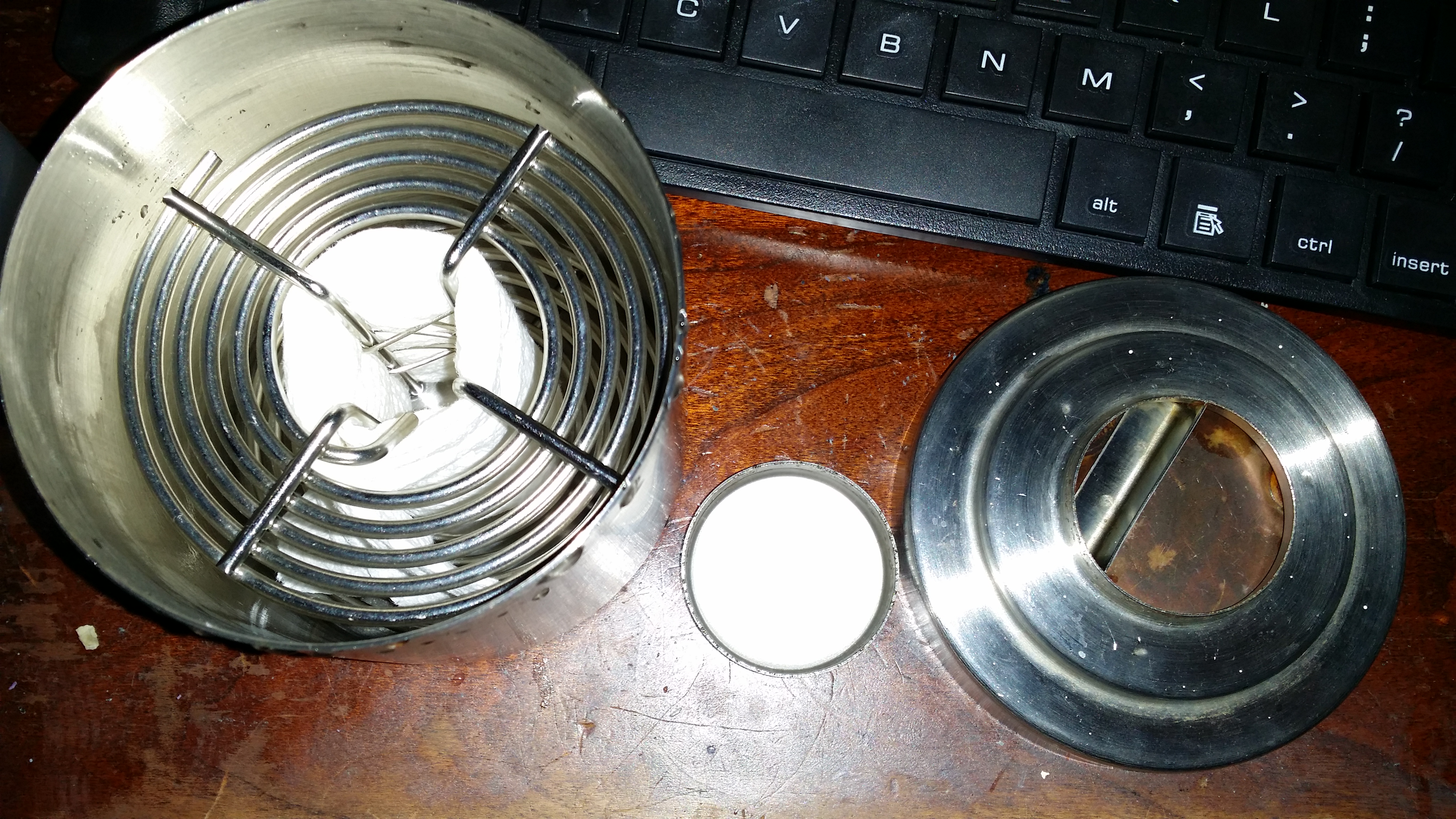 20140727_205933
 by
a.rodriguezpix, on Flickr




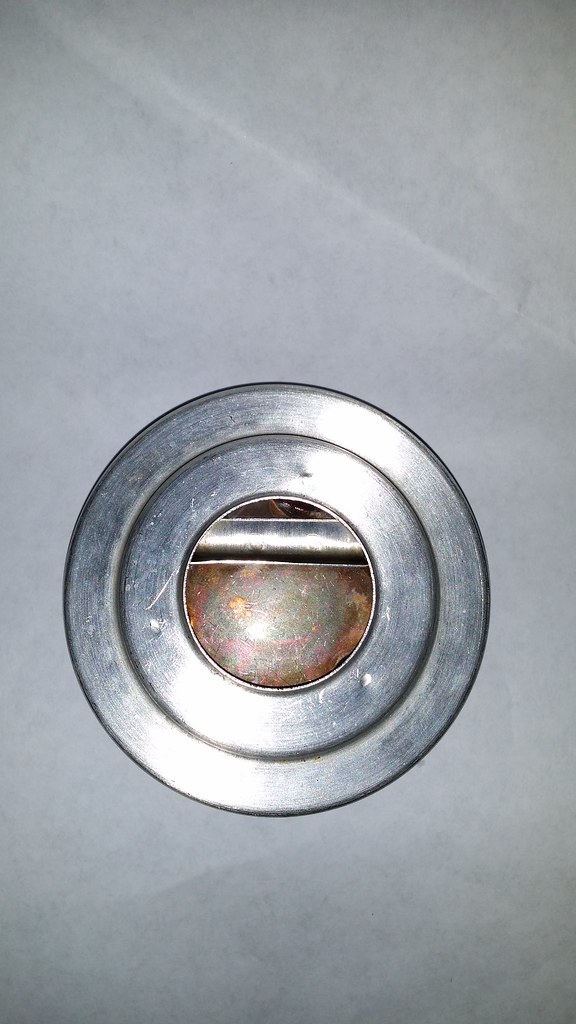
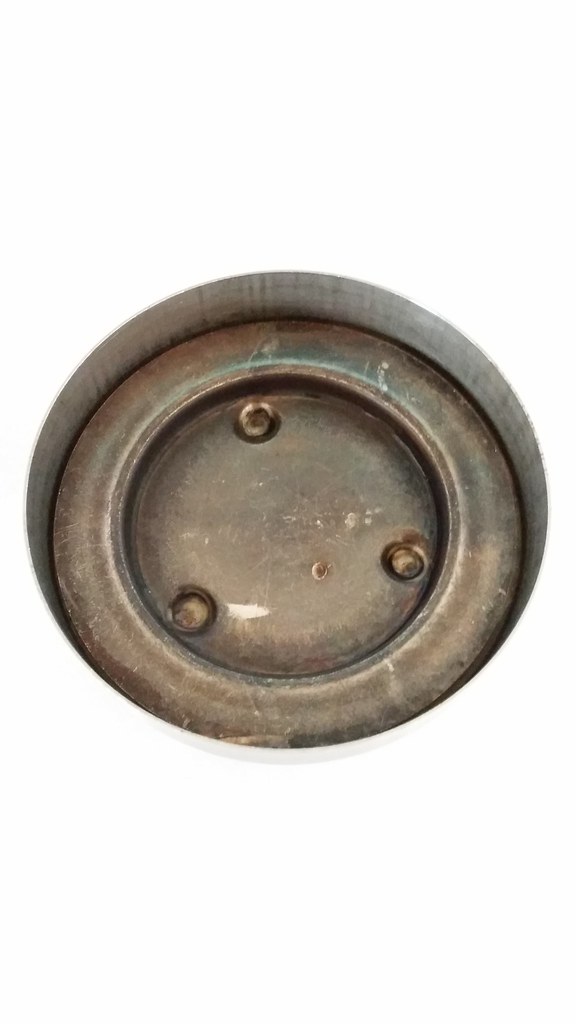
 There is a baffle after all. Odd colour but perhaps a good clean will fix that. You are good to go.
