
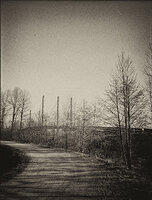
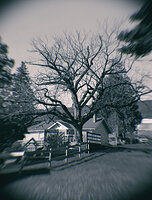

Some of the replies on an online professional archivist forum on Reddit said that they don't care if Epson discontinued their flagship flatbed V600 and V850 scanners. Many said their Phase One camera or DSLR's and copy stands did better. A copy stand is not the same as a flatbed scanner when it comes to archival work.
A copy stand provides more harsh results when it comes to defects and silvering. It offers no options for weighted scans on warped material like stereo cards. This is why you see subpar digitization from most archives even with their $90,000 Phase One digitization setups.
If a vacuum frame is used, then you could possibly flatten out some of this material. I used vacuum frames extensively in the 1970s, but we used them on thin paper and sheet film, not on thick, warped mounting boards. Even so, vacuum frames are not mainstream or easy to acquire as they once were in the days of graphic arts and process cameras.
Within the archive I use camera / copy stand combos as well as various scanners of all sorts. They each have their purpose. But the bottom line is...a copy stand is not a replacement for a flatbed scanner; they produce different results.
When it comes to weighted scans, I found that an Epson V600 scanner starts to break with 22 pounds of weight put on the lid. The part that breaks is the film scanning component in the lid. I limit the weight I put on the lid to 18 pounds. You figure out the weight limits for your scanner. Don't go by what I tell you, weight your scanner lid at your own risk. And if you do weight the lid, you will need a thick hard foam backer under the lid to contact the original. The lid alone will not do a good job on heavily warped material.
No post processing was done on the copy stand vs flatbed scan photos.
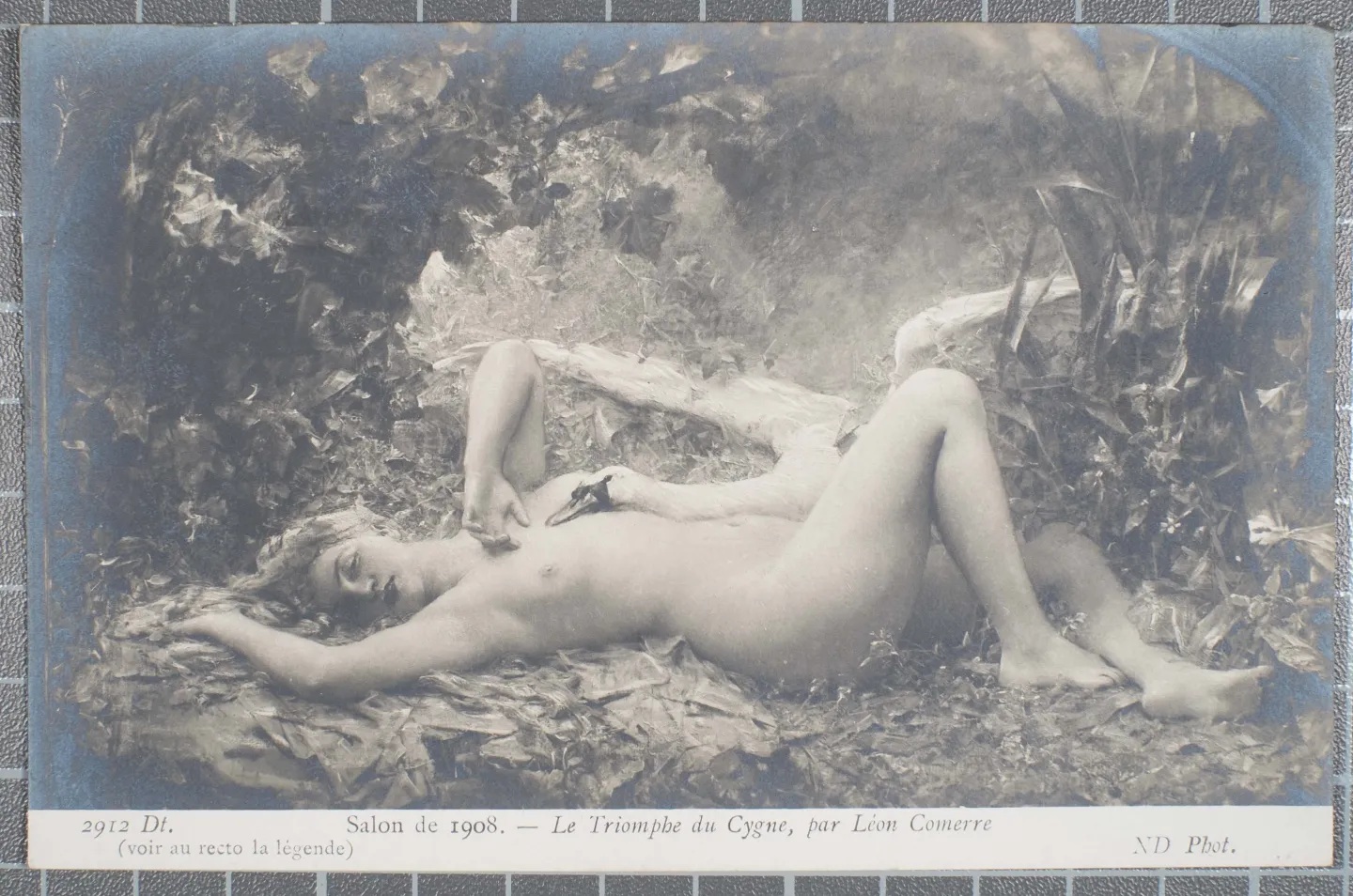
Copy stand photo.
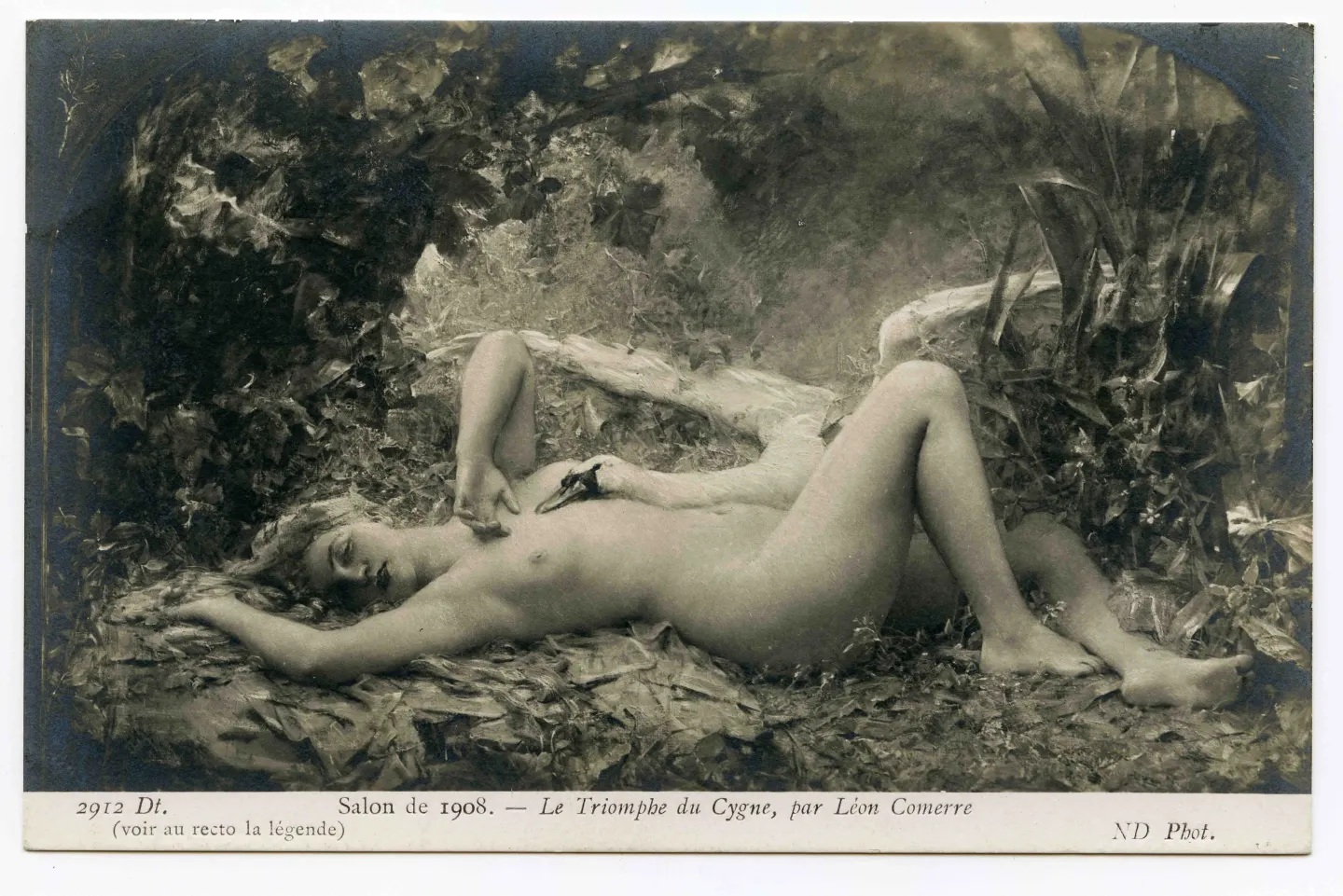
Flatbed scan of the same photo.
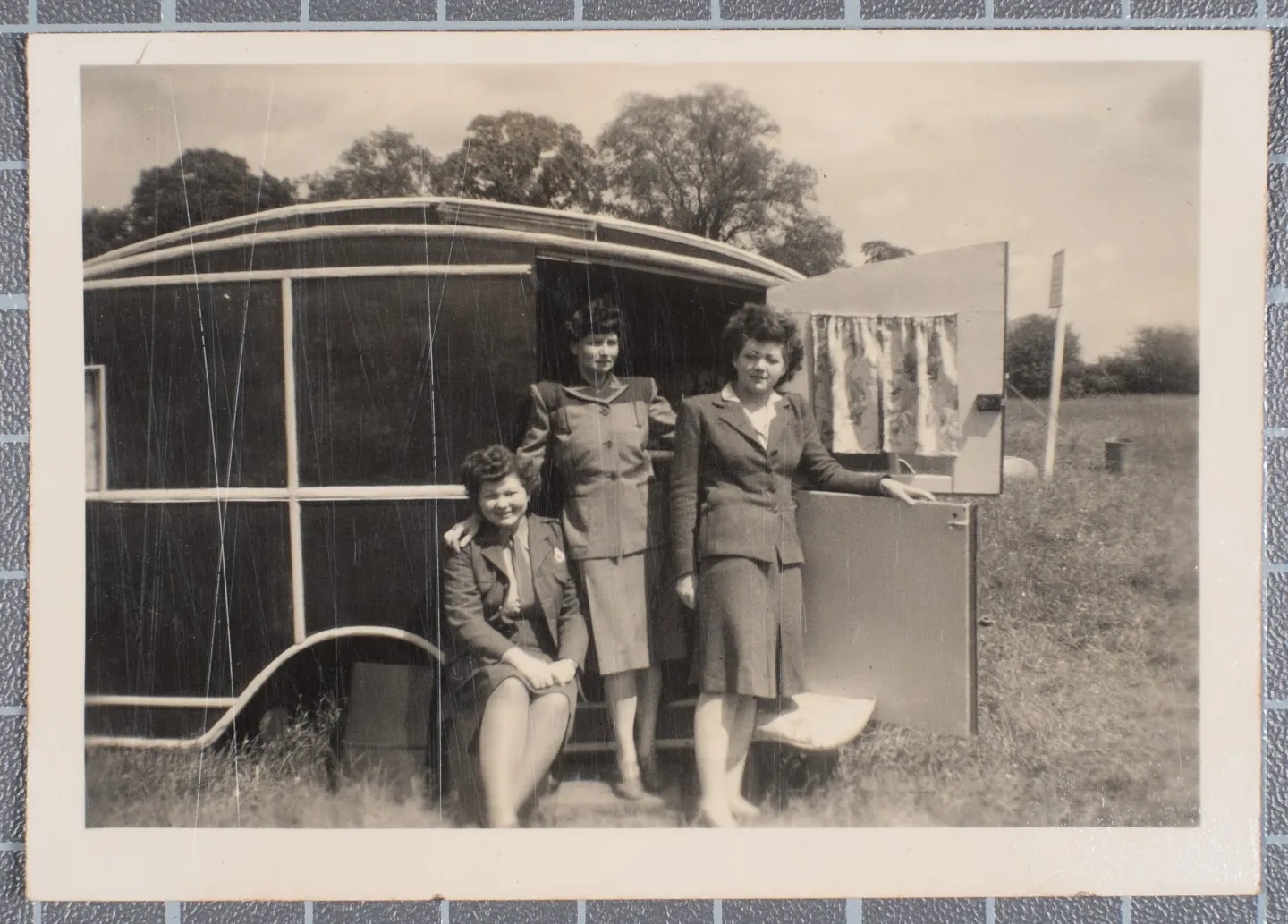
Copy stand photo.
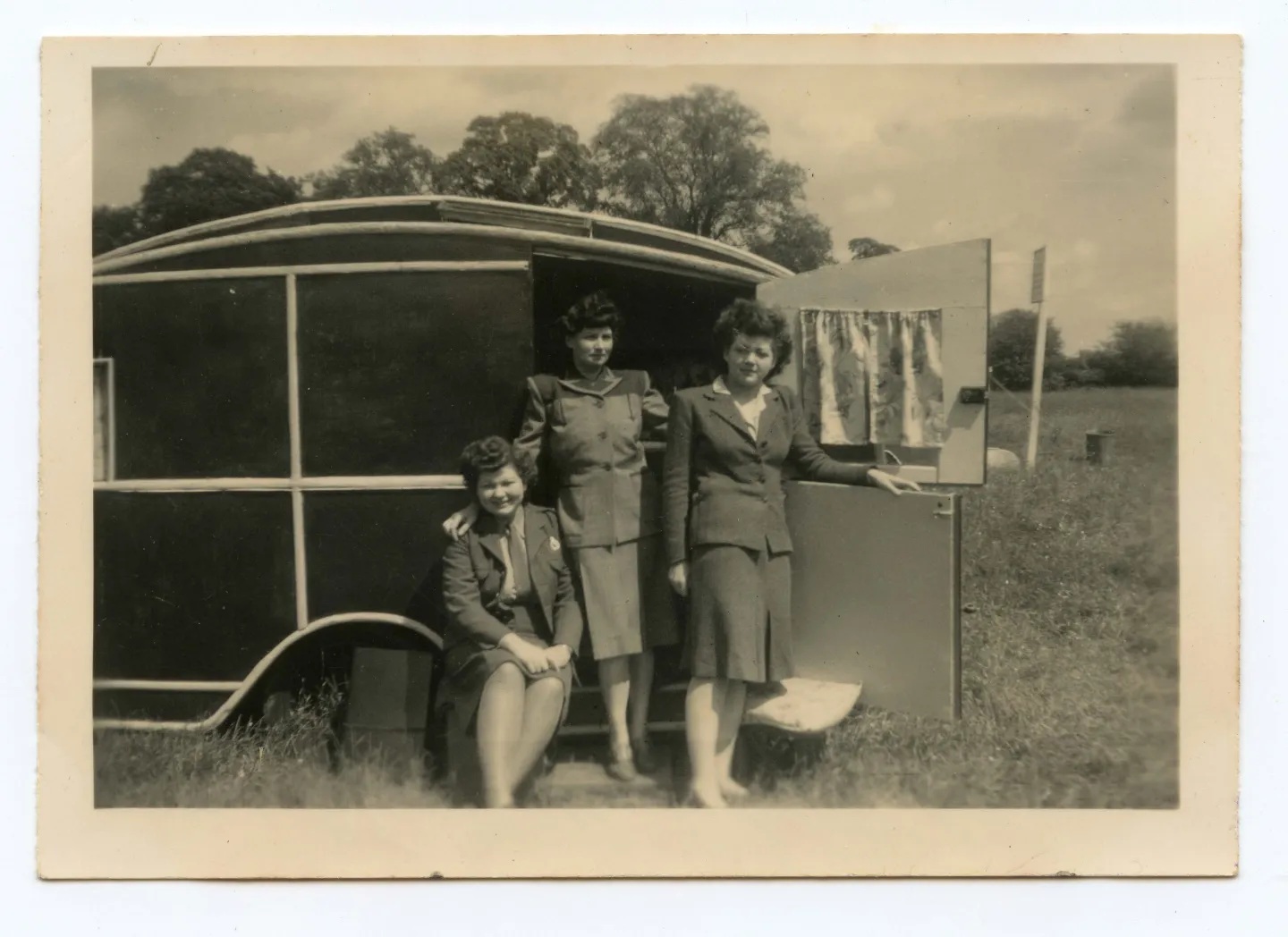
Flatbed scan of the same photo.
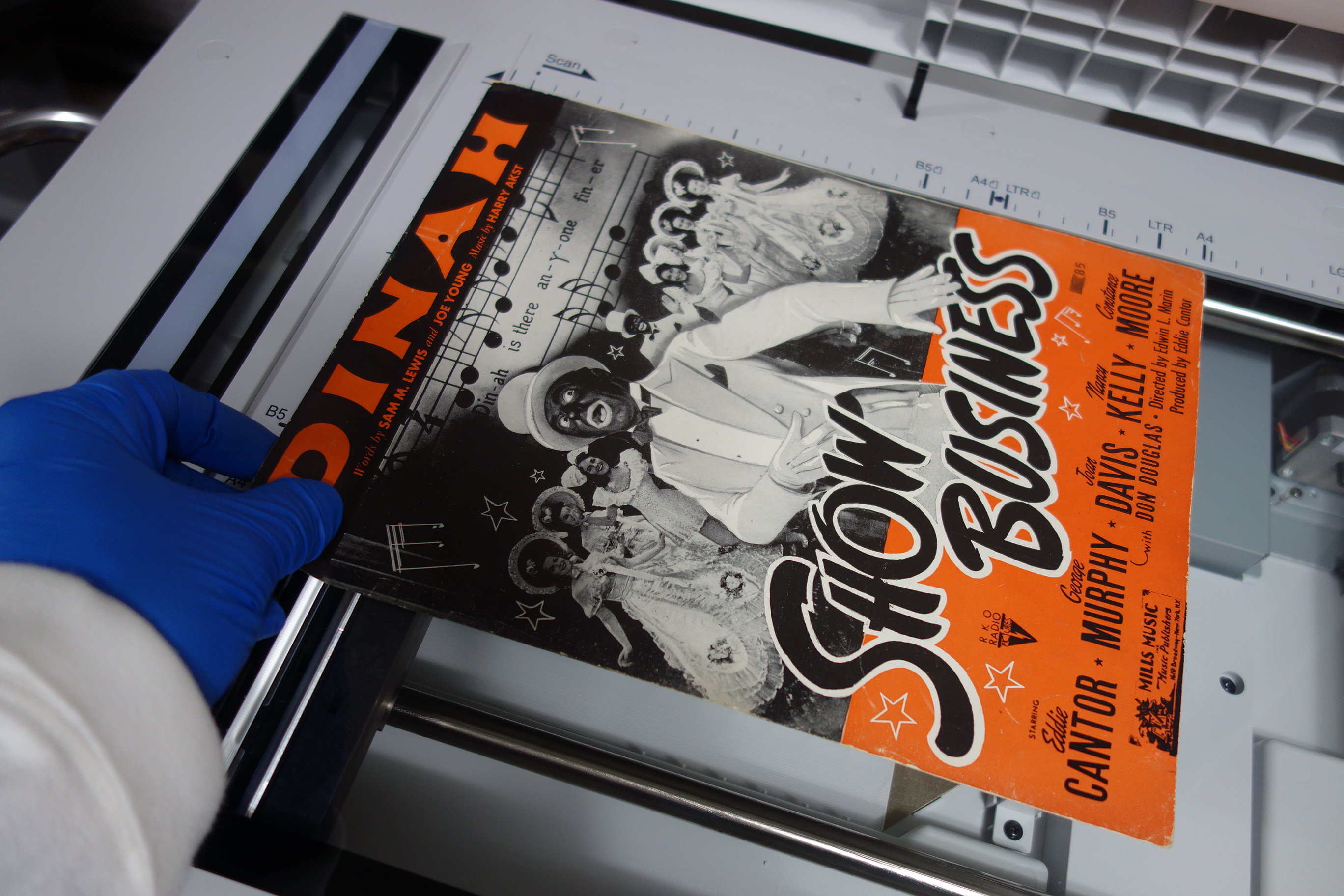
An example of a flatbed scanner.
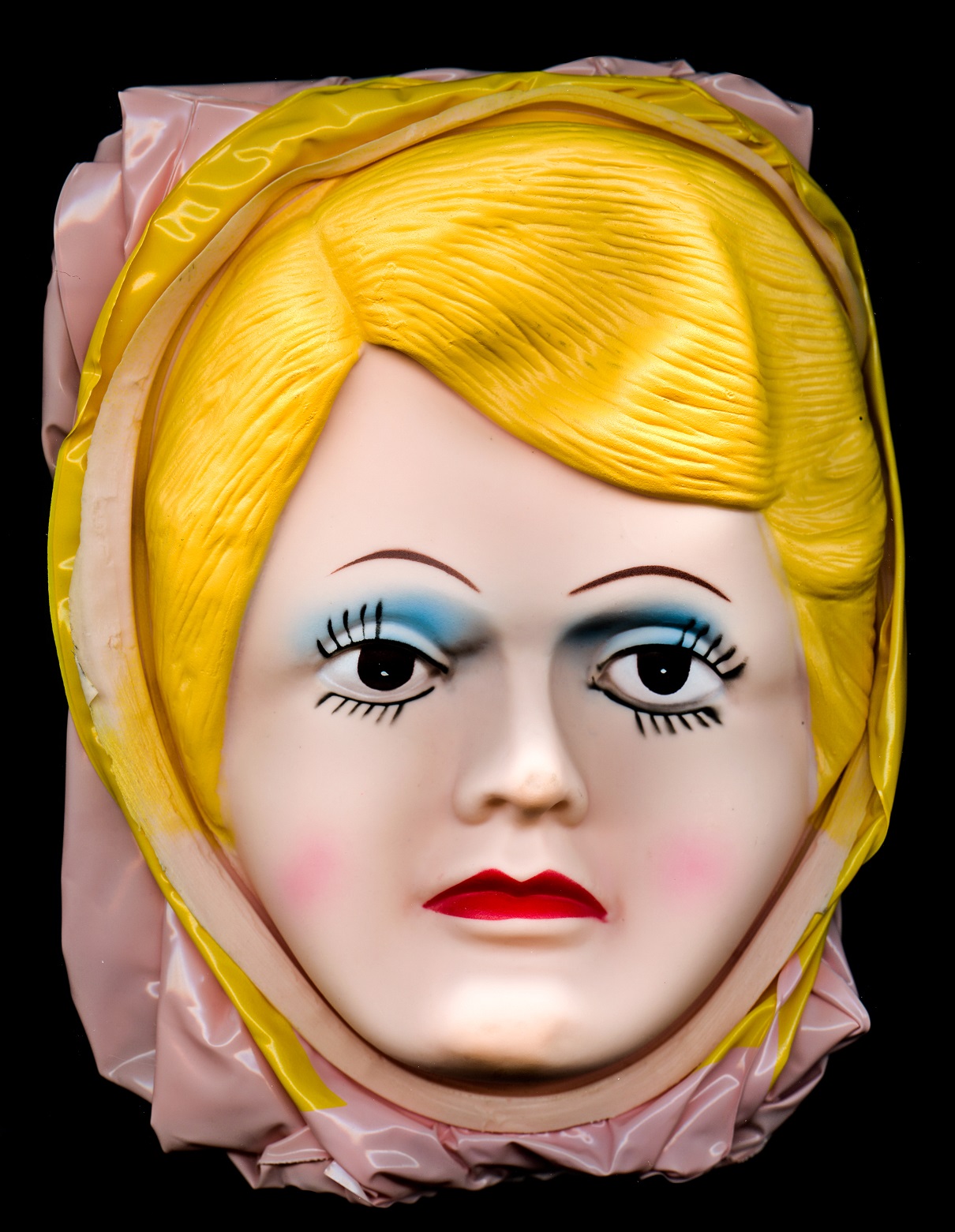
An example of a 3-D photo taken with a flatbed scanner.
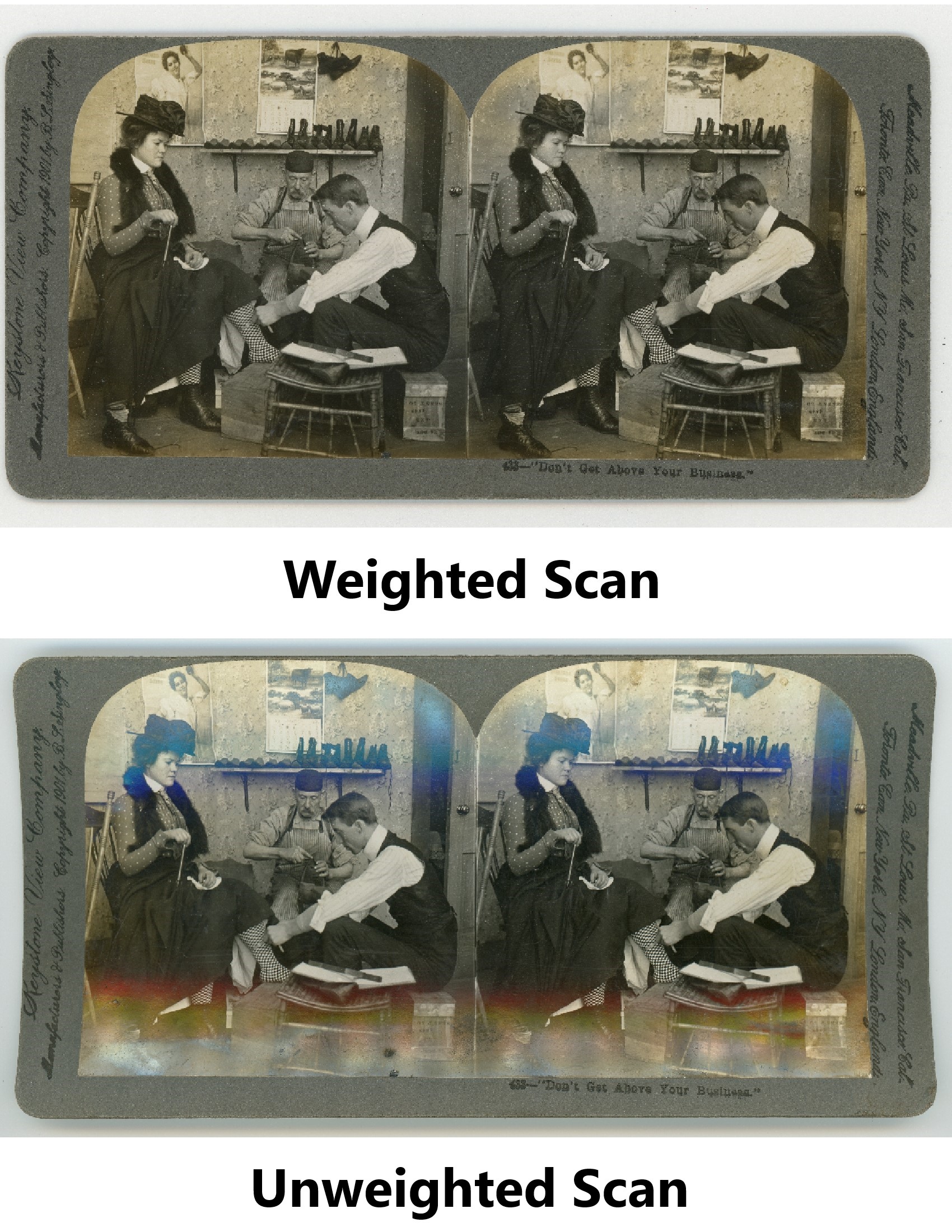
Examples of flatbed scanned photos weighted and unweighted.
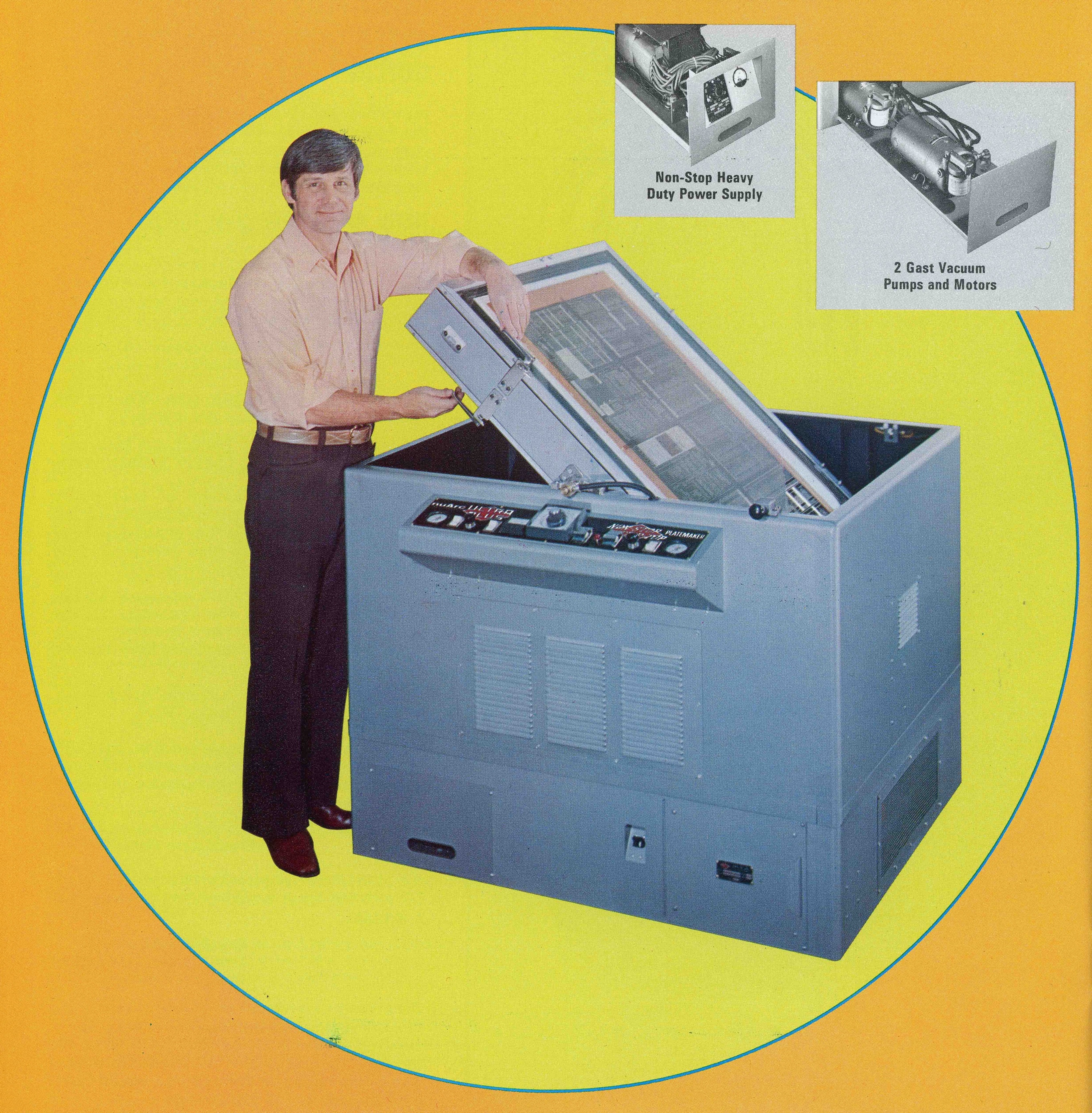
An example of a nuArc dual vacuum frame platemaker c.1974.
Photos from:
NSFW
SHOOTOUT…Flatbed Scanner vs. Sheetfed Scanner vs. Copy Stand Photography – Daniel D. Teoli Jr. Archival Collection – II
<><><><>
Daniel D. Teoli Jr. Archival Collection
Daniel D. Teoli Jr. Small Gauge Film Archive
Daniel D. Teoli Jr. Advertising Archive
Daniel D. Teoli Jr. VHS Video Archive
Daniel D. Teoli Jr. Popular Culture Archive
Daniel D. Teoli Jr. Audio Archive
Daniel D. Teoli Jr. Social Documentary Photography
A copy stand provides more harsh results when it comes to defects and silvering. It offers no options for weighted scans on warped material like stereo cards. This is why you see subpar digitization from most archives even with their $90,000 Phase One digitization setups.
If a vacuum frame is used, then you could possibly flatten out some of this material. I used vacuum frames extensively in the 1970s, but we used them on thin paper and sheet film, not on thick, warped mounting boards. Even so, vacuum frames are not mainstream or easy to acquire as they once were in the days of graphic arts and process cameras.
Within the archive I use camera / copy stand combos as well as various scanners of all sorts. They each have their purpose. But the bottom line is...a copy stand is not a replacement for a flatbed scanner; they produce different results.
When it comes to weighted scans, I found that an Epson V600 scanner starts to break with 22 pounds of weight put on the lid. The part that breaks is the film scanning component in the lid. I limit the weight I put on the lid to 18 pounds. You figure out the weight limits for your scanner. Don't go by what I tell you, weight your scanner lid at your own risk. And if you do weight the lid, you will need a thick hard foam backer under the lid to contact the original. The lid alone will not do a good job on heavily warped material.
No post processing was done on the copy stand vs flatbed scan photos.
.jpg "Copy%20stand%20photo%20D.D.Teoli%20Jr.%2")
Copy stand photo.
.jpg "Flatbed%20scan%20D.D.Teoli%20Jr.%20A.C.%")
Flatbed scan of the same photo.
.jpg "Copy%20stand%20photo%20D.D.Teoli%20Jr.%2")
Copy stand photo.
.jpg "Flatbed%20scan%20D.D.Teoli%20Jr.%20A.C.%")
Flatbed scan of the same photo.

An example of a flatbed scanner.

An example of a 3-D photo taken with a flatbed scanner.

Examples of flatbed scanned photos weighted and unweighted.

An example of a nuArc dual vacuum frame platemaker c.1974.
Photos from:
NSFW
SHOOTOUT…Flatbed Scanner vs. Sheetfed Scanner vs. Copy Stand Photography – Daniel D. Teoli Jr. Archival Collection – II
<><><><>
Daniel D. Teoli Jr. Archival Collection
Daniel D. Teoli Jr. Small Gauge Film Archive
Daniel D. Teoli Jr. Advertising Archive
Daniel D. Teoli Jr. VHS Video Archive
Daniel D. Teoli Jr. Popular Culture Archive
Daniel D. Teoli Jr. Audio Archive
Daniel D. Teoli Jr. Social Documentary Photography


