


Andreas Thaler
Subscriber
There are two ways to test an electromechanical SLR for correct functioning:
the decision depends solely on the application.
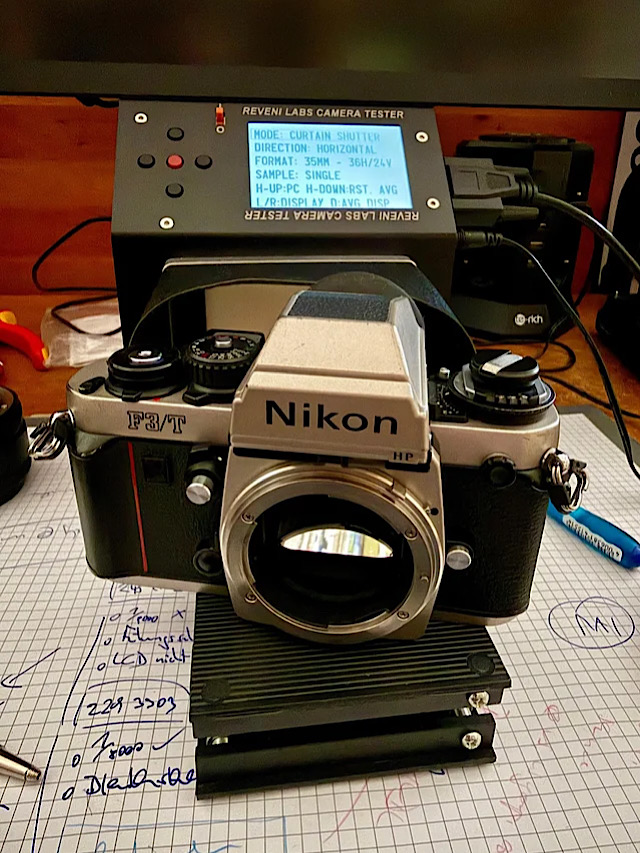
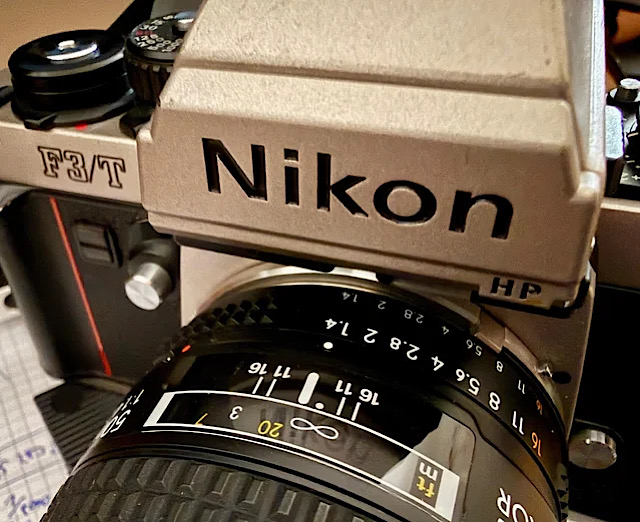
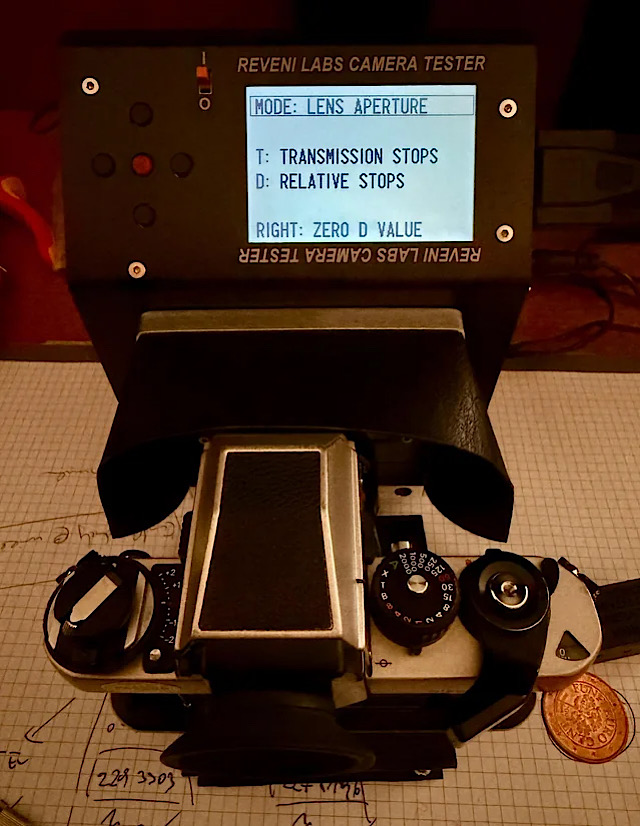
I put my Nikon F3/T, which I have been working with for many years, on the Reveni Labs camera tester.
About 18 years ago, the previous owner had it serviced. I don't know exactly what work was done. The F3/T always delivered flawless results and I was always satisfied.
What the camera tester showed me surprised me.
The shutter needs adjustment; the curtain travel times vary greatly. This means that the film is not evenly exposed, especially at short shutter speeds. I never noticed this fin my negatives, which I scan and edit in Photoshop.
Nevertheless, the exposure metering system works correctly and the automatic exposure is also within the normal range.
Here is my procedure
for testing the F3/T on the Reveni Labs camera tester:
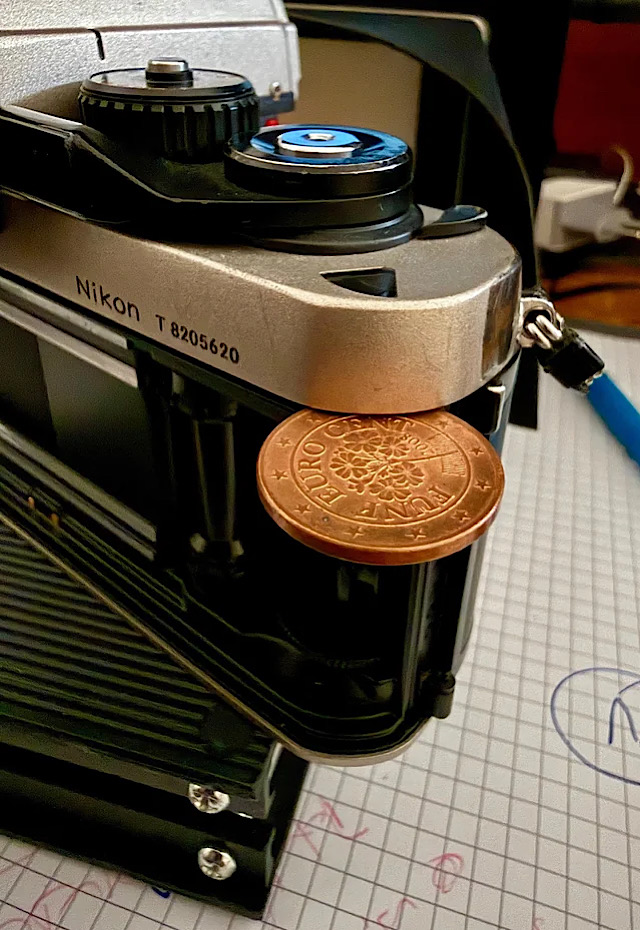
The back door is removed. I use a coin to block the small pin in the housing, which must be pressed in for the F3/T to be able to set shutter speeds.
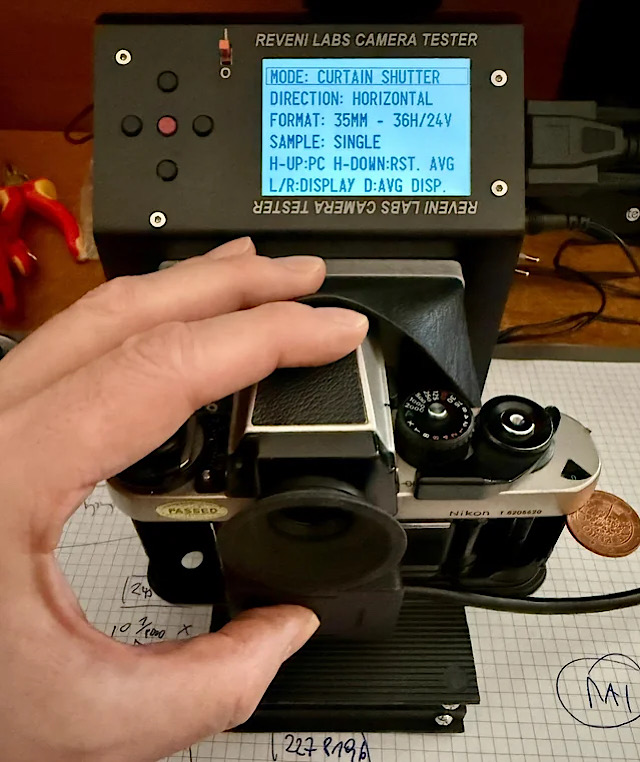
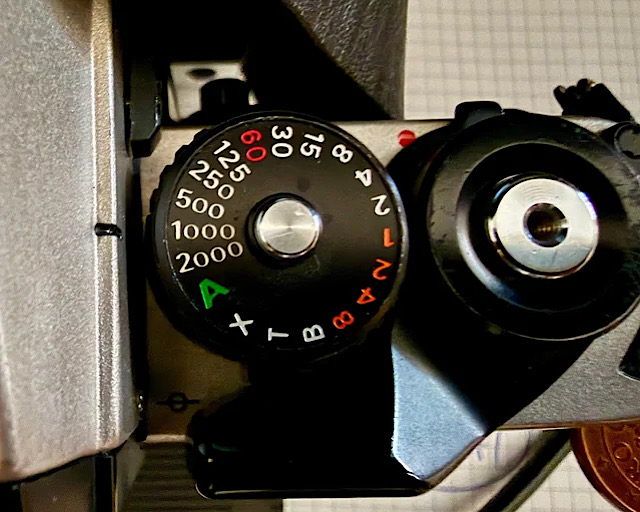
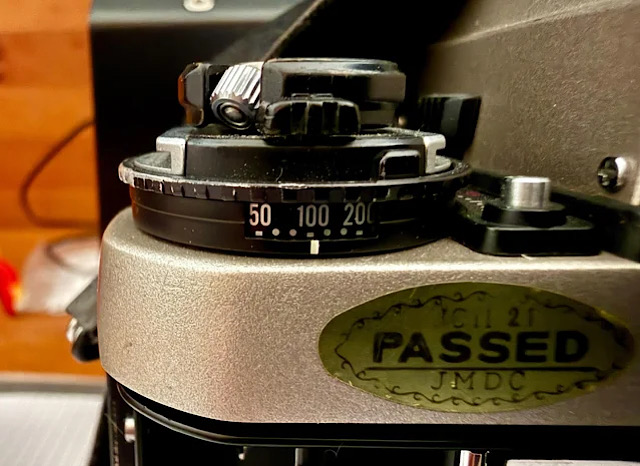
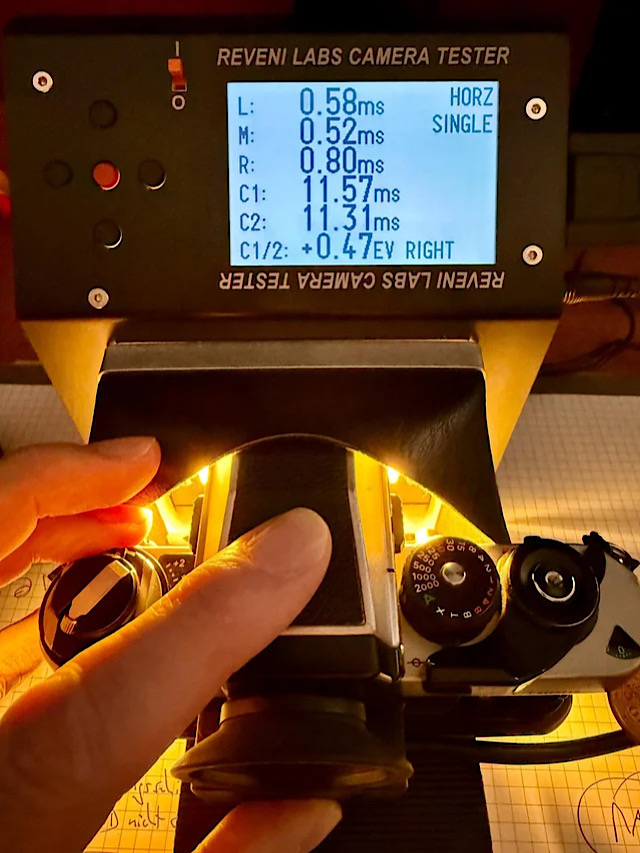
Checking the curtain travel times.
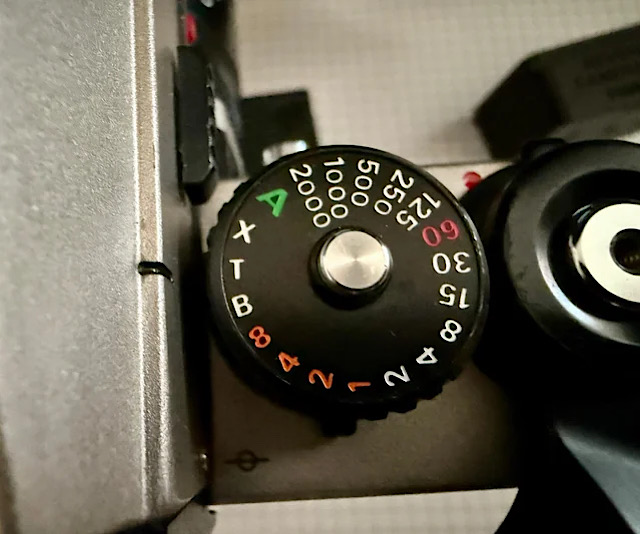
To do this, I set 1/1000 second. ASA to 100, which is important for the next test. Here we are only checking the mechanical function of the shutter.
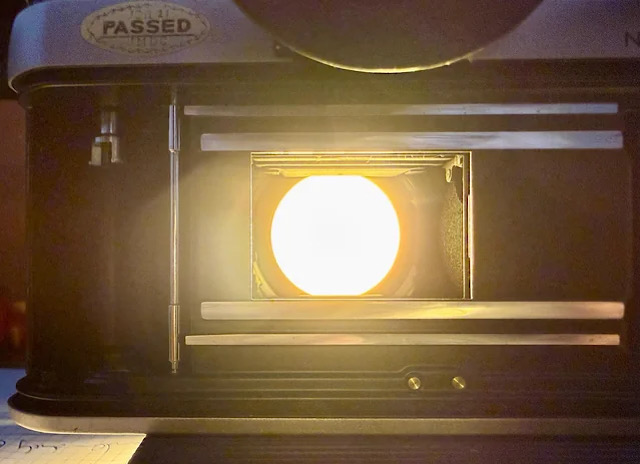
The F3/T is triggered with the sensor attached.
The curtain travel times C1 and C2 should be the same, but here C2 runs 260 microseconds faster than C1. This causes underexposure of almost half an EV value on part of the image.
At 1/2000 second, the exposure error will be even more pronounced, as deviations have a proportionally greater effect on short exposure times.
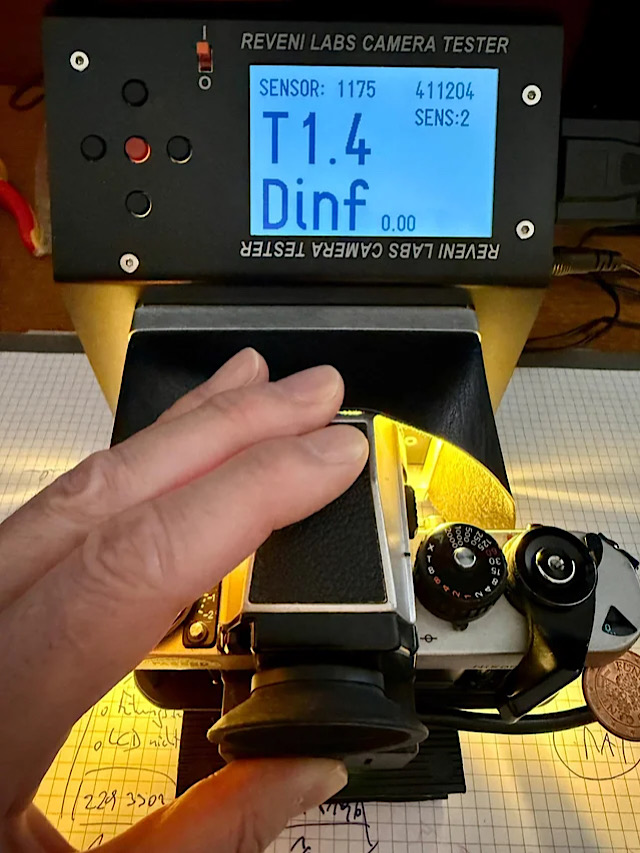
Measurement of the transmission of my Nikkor 50/1.4 AF. This is for demonstration purposes only.
In contrast to the aperture value (F-stop), the transmission value (T-stop) also takes into account the light absorption of the lens.
This is relevant when testing the exposure metering system.
Here, the transmission value with T = 1.4 corresponds to the aperture value F = 1.4.
Nevertheless, some light is retained by the lens. But that should not matter further.
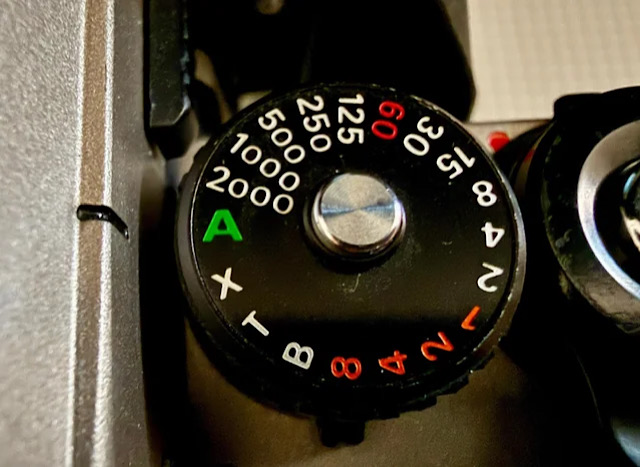
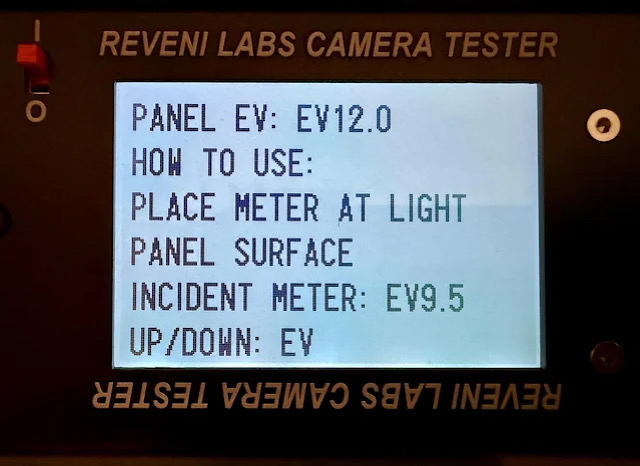
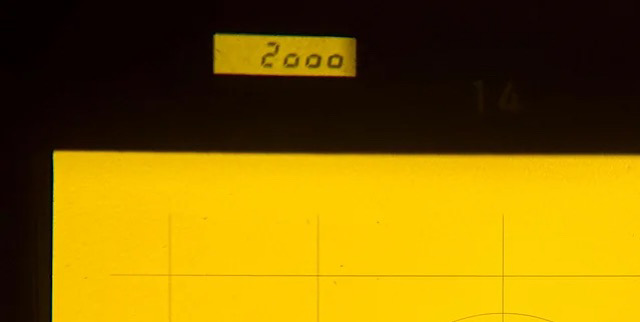
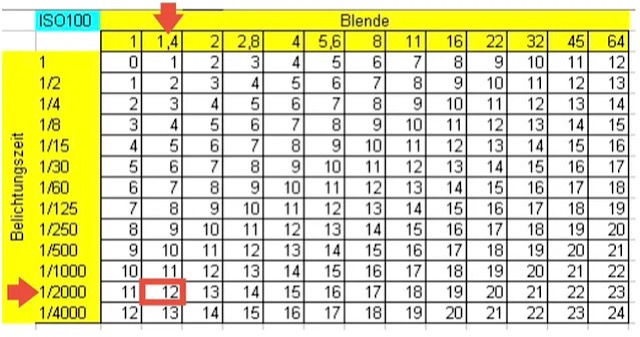
Measurement of the exposure metering system.
The F3/T is set to A (aperture priority). The largest aperture is set to F = 1.4 on the lens. At ASA 100 and EV 12, which is a defined brightness output by the camera tester, the camera must produce an exposure time of 1/2000 seconds at aperture 1.4 (see table).
This is correct.
- Expose a test film with different settings and evaluate the result visually. If the result is satisfactory, the SLR can be used for photography. Whether the camera is correctly adjusted is irrelevant.
- The second option is to check the SLR on a camera tester. This allows you to check that the adjustment complies with the target values. Test stations include the curtains travel times (the time each of the two shutter curtains takes to run), the exposure metering system, and the automatic exposure, if available. This allows deviations from the target values to be determined that would otherwise not be visible or not clearly visible on the film.
the decision depends solely on the application.
- Those who are not interested in camera technology can evaluate a test film showing their usual subjects. Any further processing on the computer or in the darkroom, which offers many possibilities for intervention, should also be taken into account.
- Those who are interested in or need to know about camera technology—repairers and dealers, for example—will invest in a camera tester that provides precise information about the function of an SLR. On this basis, repairs can be carried out or sales made with confidence.
I put my Nikon F3/T, which I have been working with for many years, on the Reveni Labs camera tester.
About 18 years ago, the previous owner had it serviced. I don't know exactly what work was done. The F3/T always delivered flawless results and I was always satisfied.
What the camera tester showed me surprised me.
The shutter needs adjustment; the curtain travel times vary greatly. This means that the film is not evenly exposed, especially at short shutter speeds. I never noticed this fin my negatives, which I scan and edit in Photoshop.
Nevertheless, the exposure metering system works correctly and the automatic exposure is also within the normal range.
Here is my procedure
for testing the F3/T on the Reveni Labs camera tester:
The back door is removed. I use a coin to block the small pin in the housing, which must be pressed in for the F3/T to be able to set shutter speeds.
Checking the curtain travel times.
To do this, I set 1/1000 second. ASA to 100, which is important for the next test. Here we are only checking the mechanical function of the shutter.
The F3/T is triggered with the sensor attached.
The curtain travel times C1 and C2 should be the same, but here C2 runs 260 microseconds faster than C1. This causes underexposure of almost half an EV value on part of the image.
At 1/2000 second, the exposure error will be even more pronounced, as deviations have a proportionally greater effect on short exposure times.
Measurement of the transmission of my Nikkor 50/1.4 AF. This is for demonstration purposes only.
In contrast to the aperture value (F-stop), the transmission value (T-stop) also takes into account the light absorption of the lens.
This is relevant when testing the exposure metering system.
Here, the transmission value with T = 1.4 corresponds to the aperture value F = 1.4.
Nevertheless, some light is retained by the lens. But that should not matter further.
Measurement of the exposure metering system.
The F3/T is set to A (aperture priority). The largest aperture is set to F = 1.4 on the lens. At ASA 100 and EV 12, which is a defined brightness output by the camera tester, the camera must produce an exposure time of 1/2000 seconds at aperture 1.4 (see table).
This is correct.
Last edited:

 A word of caution
 .
. . See the Nikon Z8. Readout speeds of sensors have become fast enough to get rid of a mechanical shutter and still have (almost) no rolling shutter effect. However, which amateur will ever be able to fix a Nikon Z8?