
- Joined
- Apr 25, 2010
- Messages
- 47
- Format
- 35mm
Pinhole photograps taken this year at the site of the battle for Passchendaele by New Zealand photographer Brett Killington:
Dead Link Removed
Dead Link Removed
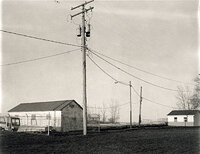
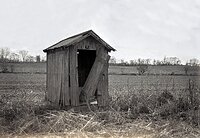


The way he photographed those views, they lose any reference to that place in location and time.
...as you say the "landscape" views lacked any identifying geographic features and could have been any number of locations...
Worst quality and composition I have ever seen.
I have seen many excellent pinhole photographs but these are the worst I have ever seen.
Terrible. Total waste of film and my time to look at it.


I saw the photographs in an entirely different way.
They are from a soldiers point of view. The soldier has no clear idea of what is going on, their only hope of survival is to keep their head down. They have little or no knowledge of the landscape around them, and even if they had been there before the shells started falling the landscape would have soon become featureless. The soldiers days would be grey, monotonous, lacking in anything pretty.
So I think Killington is using the expressive power of the photograph to reflect these points, purposely avoiding your average chocolate box clarity where you can point at something identifiable, because there was nothing a soldier could identify with, everything was alien, except the prospect of death.
So I really don't know what you think can be achieved by using a lens and making topographic records of the places (besides which it has been done before). There is no point at all in technical mastery if that is all you've got, and I'd say there was more technical mastery in Killington's pictures in discovering an image form that expressed the soldiers perspective than knowing what happens when you stop the lens down to f/32 and use a few camera movements. Just a few people know the rules well enough to know how to break them, who go out on a limb and be brave enough to translate a feeling and sense of alienation into a photograph, and I think he succeeds.
Steve
+1
Try to look at it as more than just a technical exercise. Like a form of pictorialism or even a poetical photographic expression, but not a documentary.
Then decide if he succeeded in his original intend and if you like it or not.
Subjective as it may be.

I saw the photographs in an entirely different way.
They are from a soldiers point of view. The soldier has no clear idea of what is going on, their only hope of survival is to keep their head down. They have little or no knowledge of the landscape around them, and even if they had been there before the shells started falling the landscape would have soon become featureless. The soldiers days would be grey, monotonous, lacking in anything pretty.
So I think Killington is using the expressive power of the photograph to reflect these points, purposely avoiding your average chocolate box clarity where you can point at something identifiable, because there was nothing a soldier could identify with, everything was alien, except the prospect of death.
So I really don't know what you think can be achieved by using a lens and making topographic records of the places (besides which it has been done before). There is no point at all in technical mastery if that is all you've got, and I'd say there was more technical mastery in Killington's pictures in discovering an image form that expressed the soldiers perspective than knowing what happens when you stop the lens down to f/32 and use a few camera movements. Just a few people know the rules well enough to know how to break them, who go out on a limb and be brave enough to translate a feeling and sense of alienation into a photograph, and I think he succeeds.
Steve

I saw the photographs in an entirely different way.
They are from a soldiers point of view. The soldier has no clear idea of what is going on, their only hope of survival is to keep their head down. They have little or no knowledge of the landscape around them, and even if they had been there before the shells started falling the landscape would have soon become featureless. The soldiers days would be grey, monotonous, lacking in anything pretty.
So I think Killington is using the expressive power of the photograph to reflect these points, purposely avoiding your average chocolate box clarity where you can point at something identifiable, because there was nothing a soldier could identify with, everything was alien, except the prospect of death.
So I really don't know what you think can be achieved by using a lens and making topographic records of the places (besides which it has been done before). There is no point at all in technical mastery if that is all you've got, and I'd say there was more technical mastery in Killington's pictures in discovering an image form that expressed the soldiers perspective than knowing what happens when you stop the lens down to f/32 and use a few camera movements. Just a few people know the rules well enough to know how to break them, who go out on a limb and be brave enough to translate a feeling and sense of alienation into a photograph, and I think he succeeds.
Steve
| Photrio.com contains affiliate links to products. We may receive a commission for purchases made through these links. To read our full affiliate disclosure statement please click Here. |
PHOTRIO PARTNERS EQUALLY FUNDING OUR COMMUNITY:  |
