• Welcome to Photrio!
    Registration is fast and free. Join today to unlock search, see fewer ads, and access all forum features.
    Click here to sign up

Which film makes more sense?

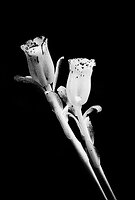
Indian ghost pipe plant.

H
Indian ghost pipe plant.

  • 3
  • 1
  • 28
2026-01-136.jpg

A
2026-01-136.jpg

  • 0
  • 0
  • 33

Forum statistics

Threads
202,941
Messages
2,847,833
Members
101,548
Latest member
mdlewingt
Recent bookmarks
0

shutterboy

Member
Allowing Ads
Joined
Feb 20, 2014
Messages
351
Location
WA, USA
Format
Multi Format
I am planning to buy a 100 feet roll of either FP4+ or pan f. I am unable to decide which will give more tonal range for landscape shots. Also, which would be more versatile (push/pull)? I think the answer is Pan F, but I just wanted to do a reality check.

I would be scanning mostly, with about the top 10-15% wet printed in school lab on Ilford FB and Sprint chemistry for both film and paper.

Thoughts?
 
Last edited by a moderator:
I have used factory loads of both, and loved the results in both cases. But can't afford 200 feet of film :sad:. Student budget sucks big time.
 
FP4 would be the more versatile, Pan F is an excellent film but due to it's slow speed is going to require a tripod most of the time.

Ian
 
I'd go w/ FP4, although for about the same money you could get 20 rolls of Shanghai GP3 Pan 100. On my first roll, I accidentally shot it at 200 because I forgot to reset my light meter, and now I shoot it at that speed all the time because it looks so good. So you would have some good options w/ a 100 speed film you can shoot at 200 w/ normal processing. I love the tones on the film too. FP4 is a fine film, but a little boring to me.

You have to be careful buying the Shanghai film, as some batches have QC issues, but this seller has worked perfectly for myself and others here. With a yellow filter, you can get some contrasty images for an ISO 100 film. These are from an Agfaflex TLR, and it was a tad overdeveloped in Rodinal at 1:25. The downsides are that the emulsion is fragile, so you have to be careful developing and printing it, and it curls like a bandit. Worth it to me though.

http://www.ebay.com/itm/170765463322?_trksid=p2059210.m2749.l2649&ssPageName=STRK:MEBIDX:IT

b5 cropped.jpg

b2.jpg
 
Last edited by a moderator:
But Shanghai is only available as 120 while the OP is talking about buying bulk 35mm
 
I'm a fan of Ilford films, and find FP4+ a great general-purpose film. It (and HP4+ when you need extra speed) is a very forgiving and versatile film and the speed is adequate for many situations. I also like PanF, but tend to reserve that for the more "careful and considered" shooting, when I have time to set up the tripod, and maybe spend more time and care on processing and printing/scanning.
 
If you've used a lot of each and love both -then I suppose either your shooting style is independent of the difference in both or lighting conditions take care of it? So pick either and I suppose you'd be okay!
 
Pan F has a contrast that you are most likely to mess up and eventually hate it. FP4 has a far better tonality and its contrast is much easier to control than that of Pan F. From these two the FP4 is a better option.
 
Going against the "grain" here, but I say Pan F+ if you're doing landscapes and making prints. ISO 25 and Perceptol is what I typically use for this film. Carrying a tripod around for landscapes is pretty much a given, so film speed shouldn't matter, IMO.
 
I need reality check!

Last film I would think of tonality range and push/pull is Pan F.
I can't think of b/w landscapes without filters. ISO 50 and filters...
Push for landscapes? Why?

I'd rather take HP5+ or Kentmere 400 if OP is money concerned, rate it @200 and with filters it is like ISO 100, which is easy to calculate for exposure.

And if you are really concerned about the grain it isn't the film, but format issue.
 
I love pan-F. I also love fp4.

I love them all, in the end.

Versatility? Fp4, obviously.
 
I love working with Pan F and have no problem with it. As for hand held, do it frequently and it works out great. I also shoot Efke 25, RPX 25, or CMS 20 II and love those as well. But I use those for those circumstances where I really want exceptional detail from my 35mm film.

I have to agree with Ko Fe here. Why bother with it. Pick some good ISO400 film, rate it at EI200 and shoot your landscapes. If you are using filters, and you should try them if shooting landscapes, you will be happier. Even with 35mm the grain is not an issue, and if you plan on printing large enough where it does become an issue, you should be using medium or large format anyway.
 
FP4, but Pan F is a good second choice.
 
100ft of Kentmere is $20 cheaper than FP4. It's a totally different emulsion, but has the same Harman fanatical commitment to quality control.
 
You're using 35mm, so I'd go with the FP4, which is more flexible in a wide range of developers. I'd hit it with Xtol, but anything pretty much goes well with this film. In landscape photography, the less grain and the smoother the tonal graduation, the better. FP4 is one of the finest general purpose films ever made.

Pan F is contrasty and sometimes tough to work with, but Pan F can have it's contrast tamed with Diafine, and produces a very nice landscape print. As a bonus, with Diafine you can expose Pan F at 80 or 100 ASA as a matter of course. If you are familiar with Diafine, I might swing over to the Pan F camp.

A third option is what I went to - Kodak TMax 100. I think it's smooth tonal graduation in Xtol makes it a winner for landscapes. And don't rule out Ilford XP2 - it prints well, and if shot at ISO 200 is virtually grainless. A remarkable and underused film for serious use.

I do about 60% of my film shooting with a half-frame Olympus Pen F, so I'm pretty conscious of grain when I'm in landscape mode.

No matter what you decide, have fun!
 
Last edited by a moderator:
You're using 35mm, so I'd go with the FP4, which is more flexible in a wide range of developers. I'd hit it with Xtol, but anything pretty much goes well with this film. In landscape photography, the less grain and the smoother the tonal graduation, the better. FP4 is one of the finest general purpose films ever made.

Pan F is contrasty and sometimes tough to work with, but Pan F can have it's contrast tamed with Diafine, and produces a very nice landscape print. As a bonus, with Diafine you can expose Pan F at 80 or 100 ASA as a matter of course.

A third option is what I went to - Kodak TMax 100. I think it's smooth tonal graduation in Xtol makes it a winner for landscapes. And don't rule out Ilford XP2 - it prints well, and if shot at ISO 200 is virtually grainless. A remarkable and underused film for serious use.

I do about 60% of my film shooting with a half-frame Olympus Pen F, so I'm pretty conscious of grain when I'm in landscape mode.

No matter what you decide, have fun!

Thank you moltogordo for the alternate suggestions. I thought XP2 was mostly for scanning? Also, it is C-41 material, so I suppose home processing is a bit of a pain?
 
I am planning to buy a 100 feet roll of either FP4+ or pan f. I am unable to decide which will give more tonal range for landscape shots. Also, which would be more versatile (push/pull)? I think the answer is Pan F, but I just wanted to do a reality check.

I would be scanning mostly, with about the top 10-15% wet printed in school lab on Ilford FB and Sprint chemistry for both film and paper.

Thoughts?

While I am not all that famaliar with Pan F, from experience I have founf FP4+ to be one of the most versatile films on the market and as you are thinking of buying 100' would the better buy.....regards
 
Thank you moltogordo for the alternate suggestions. I thought XP2 was mostly for scanning? Also, it is C-41 material, so I suppose home processing is a bit of a pain?

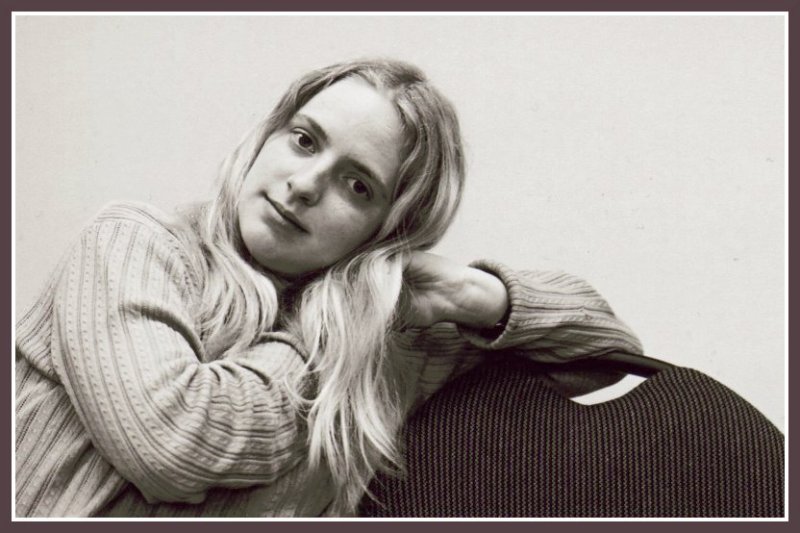
I haven't done C41 processing for quite some time, but I understand there are some kits out there that are easy to use. I just have my local 1 hour soup the film, (he's good) and then do machine prints for me that are much better to work with than a contact sheet. If there is a print that is good, I'll then enlarge it. Here is an example of how good this film can be:

Portrait of one of my students, Rebecka, Olympus OM1, 100mm Zuiko lens, 1/15th at f5.6, ISO 400, scanned 4x6 machine print (you wouldn't believe the 8x10 enlargement!) I'm a music teacher (violin and piano) so I have access to tons of beautiful young people who are always willing subjects!)

155209038.jpg


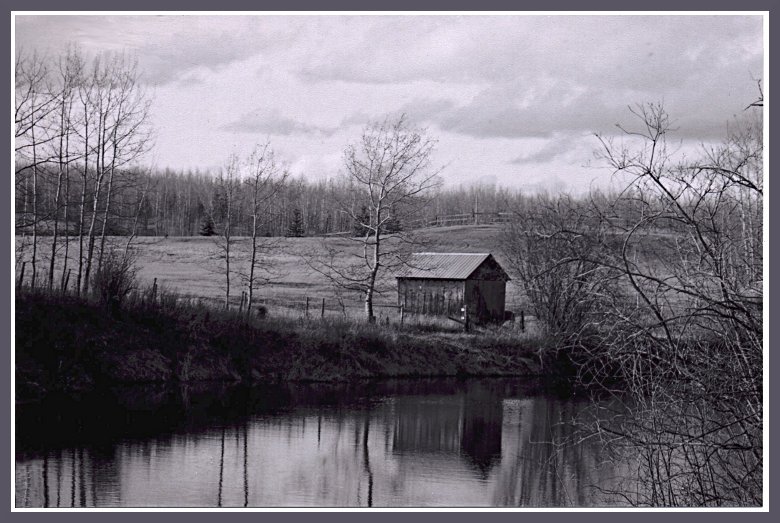
Sinkut River Scene, near Vanderhoof BC, Exakta RTL 1000, 100mm Auto-Aragon lens, 1/250th at f8, ISO 400, scanned 4x6 machine print

158137896.jpg


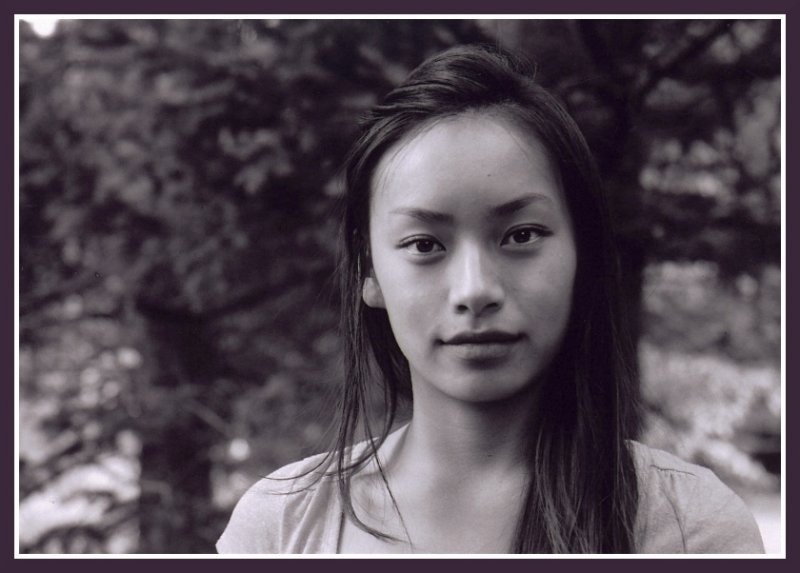
And at ISO 200, the stuff is dazzling - Pentax MX, 50mm Pentax-M f1.4 lens, 1/250th at f4, scan of a 5x7 print: Kian, another one of my violin students.

157808549.jpg


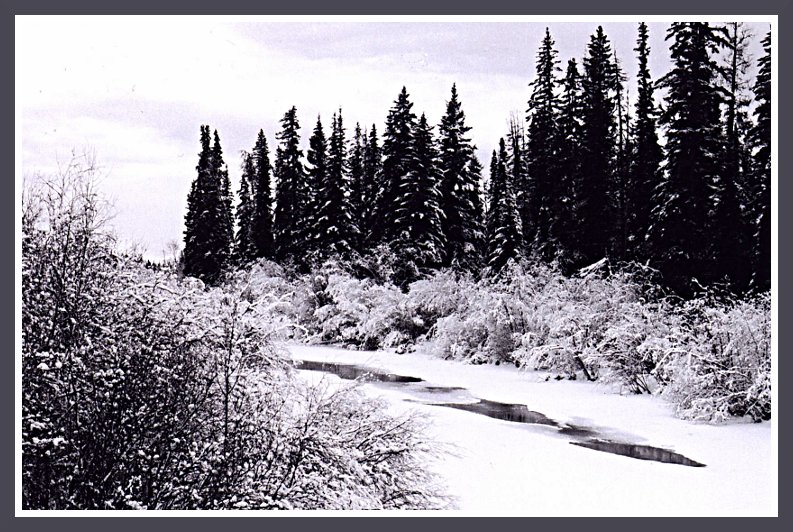
And a 5x7 print I made from a half-frame negative, Olympus Pen FT, 38mm f1.8 Zuiko lens, 1/125th at f11, ISO 400, Hoarfrost at Cluculz Creek (near Prince George, January!)

154184166.jpg


I don't scan negatives, I prefer to print myself, and scan from the prints. It lets me do some spotting and touchup easily, and if I use a textured paper, as I did on the last shot, there is a very nice quality to the scan I really like. That last print should have been made on Grade 2, but I had only grade 3 paper. C'est la vie. But XP2 is a great film. I always carry a camera with me loaded with the stuff (usually a Pentax MX, because I shoot Pentax in digital, so the MX body takes up no space in my bag, and I can use the same lenses).

Actually, any of the emulsions will do you well. They are all fine films. I use XP2 a lot because I travel in my job, and I don't often carry a tripod, so the ability to handhold is paramount.

I was never able to tame Pan F outdoors until I tried Diafine, but I understand that some guys have pulled the contrast way back by using other phenidone based developers on the film. On the other hand, FP4 has that wonderful ability to be a different film in different developers (I like it in Xtol) - it's versatile.

You actually have a fun choice ahead of you. Why not shoot a roll of each and go from there?:smile:
 
Last edited by a moderator:
157808549.jpg


And a 5x7 print I made from a half-frame negative, Olympus Pen FT, 38mm f1.8 Zuiko lens, 1/125th at f11, ISO 400, Hoarfrost at Cluculz Creek (near Prince George, January!)

154184166.jpg


I don't scan negatives, I prefer to print myself, and scan from the prints. It lets me do some spotting and touchup easily, and if I use a textured paper, as I did on the last shot, there is a very nice quality to the scan I really like. That last print should have been made on Grade 2, but I had only grade 3 paper. C'est la vie. But XP2 is a great film. I always carry a camera with me loaded with the stuff (usually a Pentax MX, because I shoot Pentax in digital, so the MX body takes up no space in my bag, and I can use the same lenses).

Actually, any of the emulsions will do you well. They are all fine films. I use XP2 a lot because I travel in my job, and I don't often carry a tripod, so the ability to handhold is paramount.

I was never able to tame Pan F outdoors until I tried Diafine, but I understand that some guys have pulled the contrast way back by using other phenidone based developers on the film. On the other hand, FP4 has that wonderful ability to be a different film in different developers (I like it in Xtol) - it's versatile.

You actually have a fun choice ahead of you. Why not shoot a roll of each and go from there?:smile:

You've posted some nice shots! I was wondering how a half-frame shot would look like and they seem to work quite well! What's the maximum you enlarge them to?
 
You've posted some nice shots! I was wondering how a half-frame shot would look like and they seem to work quite well! What's the maximum you enlarge them to?

Thank you very much! The shot of Cluculz Creek in my post above was made with a half-frame.

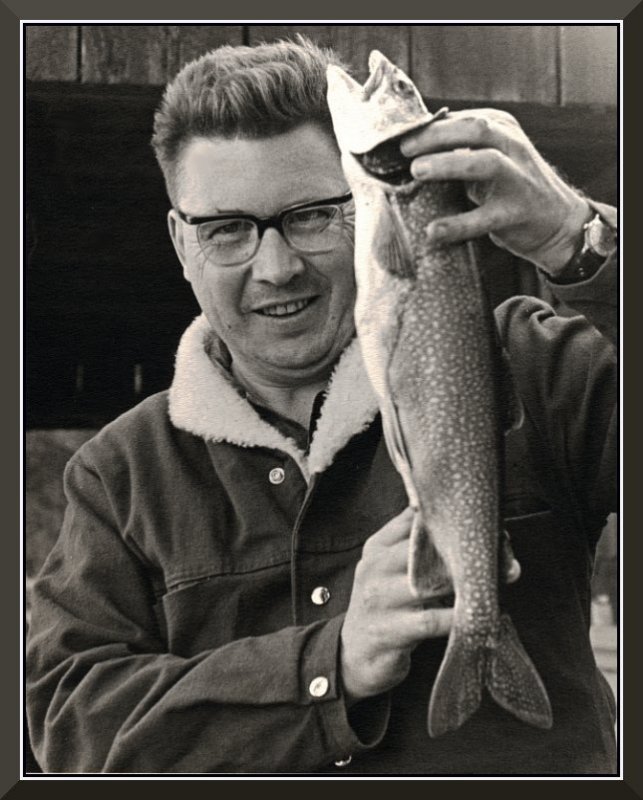
This next shot is a scanned 8x10 print I made in 1968, with my original Olympus Pen FT (I grew up with the format - thought the original camera was "cool" so I bought one with my chore/paperroute money in that year). That shot above was made with the SAME camera!:D One of the best purchases I ever made. I have 5 of them at present.

The shot is of my Dad, at our summer cabin in Central BC, holding a small Lake Trout of about 3 pounds or so. The film was Plus-X, and the developer was Edwal FG7, which I preferred in those days.

95273868.jpg


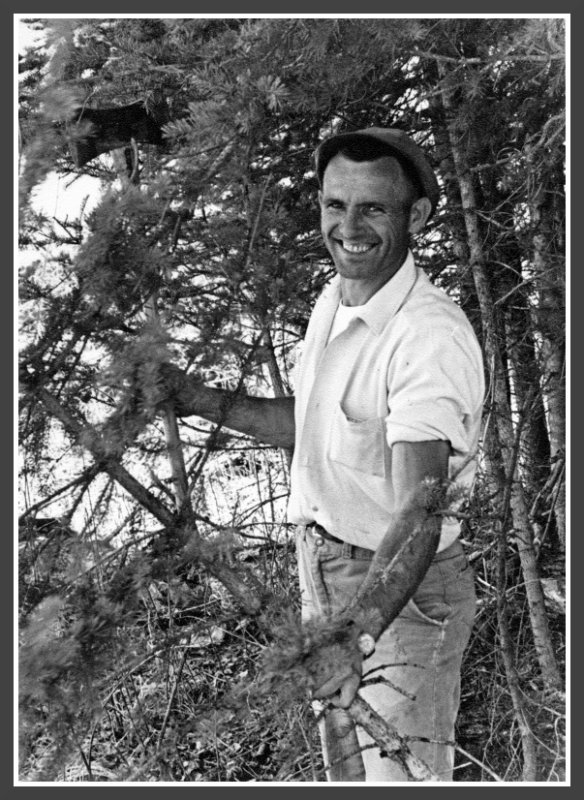
Here is another scanned 5x7 print made from the same camera - this one was Ilford HP5 in D76, and was taken in 1971, of my Uncle Bernie, who was
clearing land on our cabin area.

157148092.jpg


And a recent one, which I also posted in another thread in this section on Foma 400, this developed in Rodinal at 1:50

158475576.jpg


The half-frame (18mmx24mm) fits the 8x10 aspect ratio better than the 24x36mm full frame, so if you are really careful and don't waste a lot of frame size, very fine 8x10s are easy enough to do, prints almost indistinguishable from 35mm full frame. I did a couple of 11x14s from Agfapan 25 (D76), a couple of 16x20s which worked because of the subject matter. I also did one 11x14 Cibachrome from a Kodachrome 64 slide that I doubt you could tell from full frame. But you do have to be careful of that small neg an not waste any of it's area.

But a patient worker and darkroom guy can get some really fine results from the half-frame. There are no flies on the format!:cool:
 
Last edited by a moderator:
Photrio.com contains affiliate links to products. We may receive a commission for purchases made through these links.
To read our full affiliate disclosure statement please click Here.

PHOTRIO PARTNERS EQUALLY FUNDING OUR COMMUNITY:


Ilford ADOX Freestyle Photographic Stearman Press Weldon Color Lab Blue Moon Camera & Machine
Top Bottom