
- Joined
- Apr 4, 2012
- Messages
- 53
- Format
- 35mm
At the turn of the 20th century pictorialism reigned supreme and the bromoil and transfer processes were the most highly acclaimed means of expression by the leading pictorial photographers in North America and Europe. It was considered the most beautiful form of artistic expression. Today, major galleries and serious art collector’s are quick to acquire vintage and traditional bromoil and transfer prints.
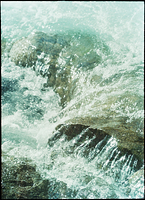
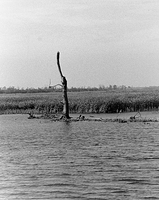
A bromoil print is one in which the original black and white silver image is bleached out and replaced with a stiff litho type oil pigment. The ink is stippled onto the damp gelatine surface with special stag foot shaped brushes, creating a beautiful etching like quality. During the inking up stage, the photographer has the artistic control to alter tonal values to enhance the print and create atmosphere and recession on the final print.
Traditionally, a negative was used to make the enlargement onto black and white paper, however for several years David has been making digital negatives for the process and the results have been truly remarkable. Whether you use conventional b/w film or a digital camera, David will share with you his technique for creating exhibition quality images.
This five day intensive hands-on workshop is designed specifically for photographers’ whom shoot with a digital camera and now want to learn how to create digital negatives using Photoshop for the bromoil process. David will devote considerable time during the week with detailed instructions on how to make incredible digital negatives for the bromoil process. Participants will learn what plug-ins David is using to achieve the perfect negative. David will also discus in depth the software and techniques he uses for scanning 35mm. slides, b/w and colour negatives for the process.
The advantages of contact printing with a digital negative over the traditional analog enlargement are; no test strips to determine the exposure once minimum exposure to produce maximum black is determined. Each negative that you print has exactly the same exposure and development time and if the contrast and or tonal range are not perfect, it is a simple matter of correcting the negative in Photoshop and then printing out a new one! This only requires a few minutes of work and you are back in the darkroom reprinting the image. For example, the exposure for all of the digital negatives that I have printed for the past several years in my darkroom is 25 seconds. No burning or dodging or wasting paper to achieve the ideal print for bleaching and then inking up.
The class will learn how to determine how to determine the correct exposure for their digital negatives and contact them onto David's non-super coated chlorobromide bromoil paper. Subsequently participants will bleach out their prints and the learn how to ink-up the matrix producing a beautiful etching like quality. During the week David will continue to share his knowledge and techniques to mastering the process from creating the digital negative to inking up several exhibition quality bromoil prints.
Participants should have a basic understanding of Photoshop for this workshop. Photographer's who shoot only with film are encouraged to attend as David will scan their negatives and ensure they will master the bromoil process. David continues to shoot with film as well as digital.
Workshops in Montana
Workshops in Montana
7079 Hwy 83 N
Condon Mt 59826
406-754-2891
sherry@photoformulary.com
A bromoil print is one in which the original black and white silver image is bleached out and replaced with a stiff litho type oil pigment. The ink is stippled onto the damp gelatine surface with special stag foot shaped brushes, creating a beautiful etching like quality. During the inking up stage, the photographer has the artistic control to alter tonal values to enhance the print and create atmosphere and recession on the final print.
Traditionally, a negative was used to make the enlargement onto black and white paper, however for several years David has been making digital negatives for the process and the results have been truly remarkable. Whether you use conventional b/w film or a digital camera, David will share with you his technique for creating exhibition quality images.
This five day intensive hands-on workshop is designed specifically for photographers’ whom shoot with a digital camera and now want to learn how to create digital negatives using Photoshop for the bromoil process. David will devote considerable time during the week with detailed instructions on how to make incredible digital negatives for the bromoil process. Participants will learn what plug-ins David is using to achieve the perfect negative. David will also discus in depth the software and techniques he uses for scanning 35mm. slides, b/w and colour negatives for the process.
The advantages of contact printing with a digital negative over the traditional analog enlargement are; no test strips to determine the exposure once minimum exposure to produce maximum black is determined. Each negative that you print has exactly the same exposure and development time and if the contrast and or tonal range are not perfect, it is a simple matter of correcting the negative in Photoshop and then printing out a new one! This only requires a few minutes of work and you are back in the darkroom reprinting the image. For example, the exposure for all of the digital negatives that I have printed for the past several years in my darkroom is 25 seconds. No burning or dodging or wasting paper to achieve the ideal print for bleaching and then inking up.
The class will learn how to determine how to determine the correct exposure for their digital negatives and contact them onto David's non-super coated chlorobromide bromoil paper. Subsequently participants will bleach out their prints and the learn how to ink-up the matrix producing a beautiful etching like quality. During the week David will continue to share his knowledge and techniques to mastering the process from creating the digital negative to inking up several exhibition quality bromoil prints.
Participants should have a basic understanding of Photoshop for this workshop. Photographer's who shoot only with film are encouraged to attend as David will scan their negatives and ensure they will master the bromoil process. David continues to shoot with film as well as digital.
Workshops in Montana
Workshops in Montana
7079 Hwy 83 N
Condon Mt 59826
406-754-2891
sherry@photoformulary.com
