
• Welcome to Photrio!
    Registration is fast and free. Join today to unlock search, see fewer ads, and access all forum features.
    Click here to sign up

Private photos Mercury-Atlas 8 Recovery

Somewhere...

D
Somewhere...

  • 5
  • 2
  • 104
Iriana

H
Iriana

  • 7
  • 1
  • 169

Recent Classifieds

Forum statistics

Threads
202,750
Messages
2,845,073
Members
101,504
Latest member
Saturnuria
Recent bookmarks
0

dutchsteammachine

Member
Allowing Ads
Joined
Jun 14, 2017
Messages
395
Location
Netherlands
Format
35mm
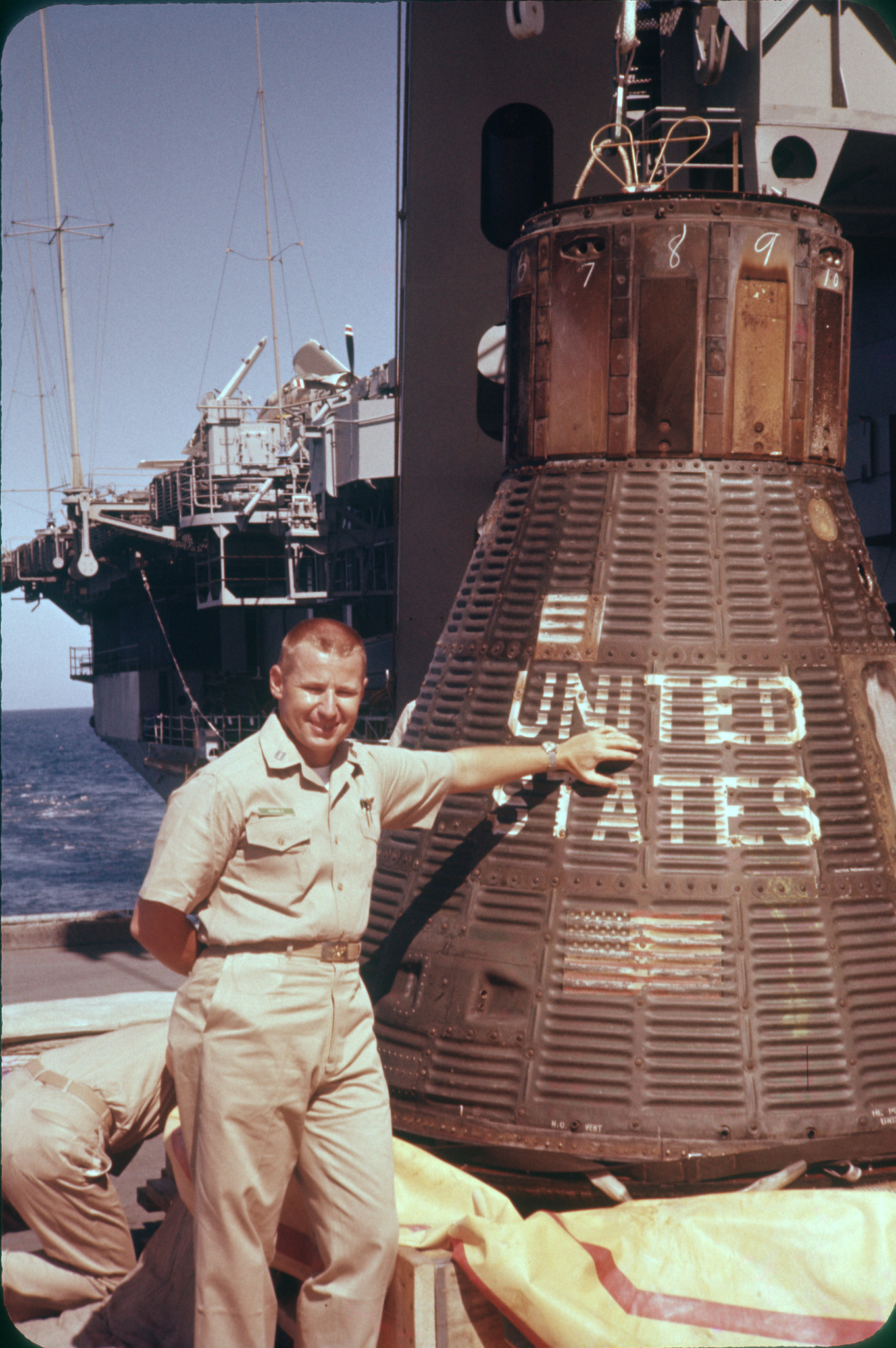
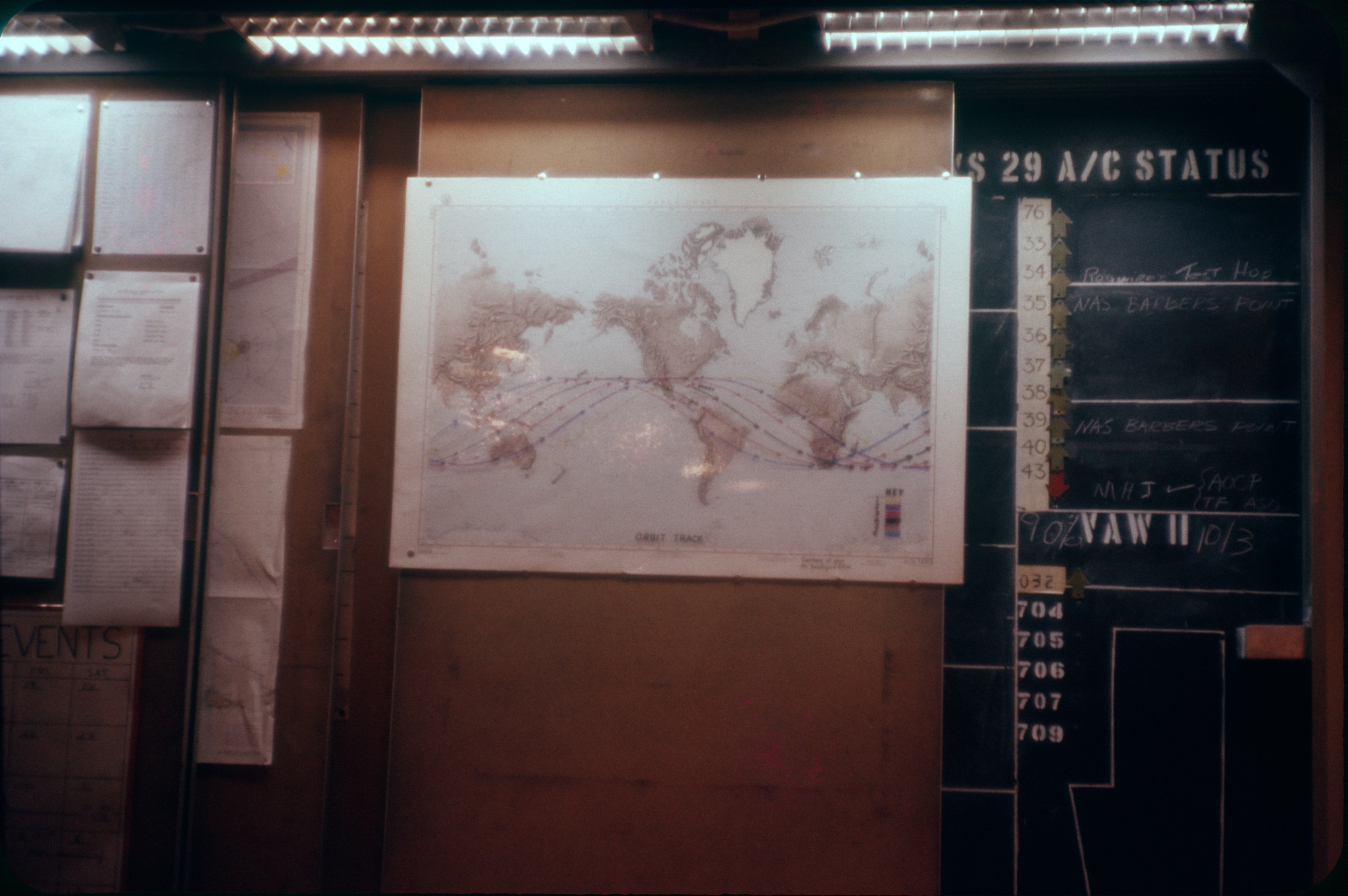
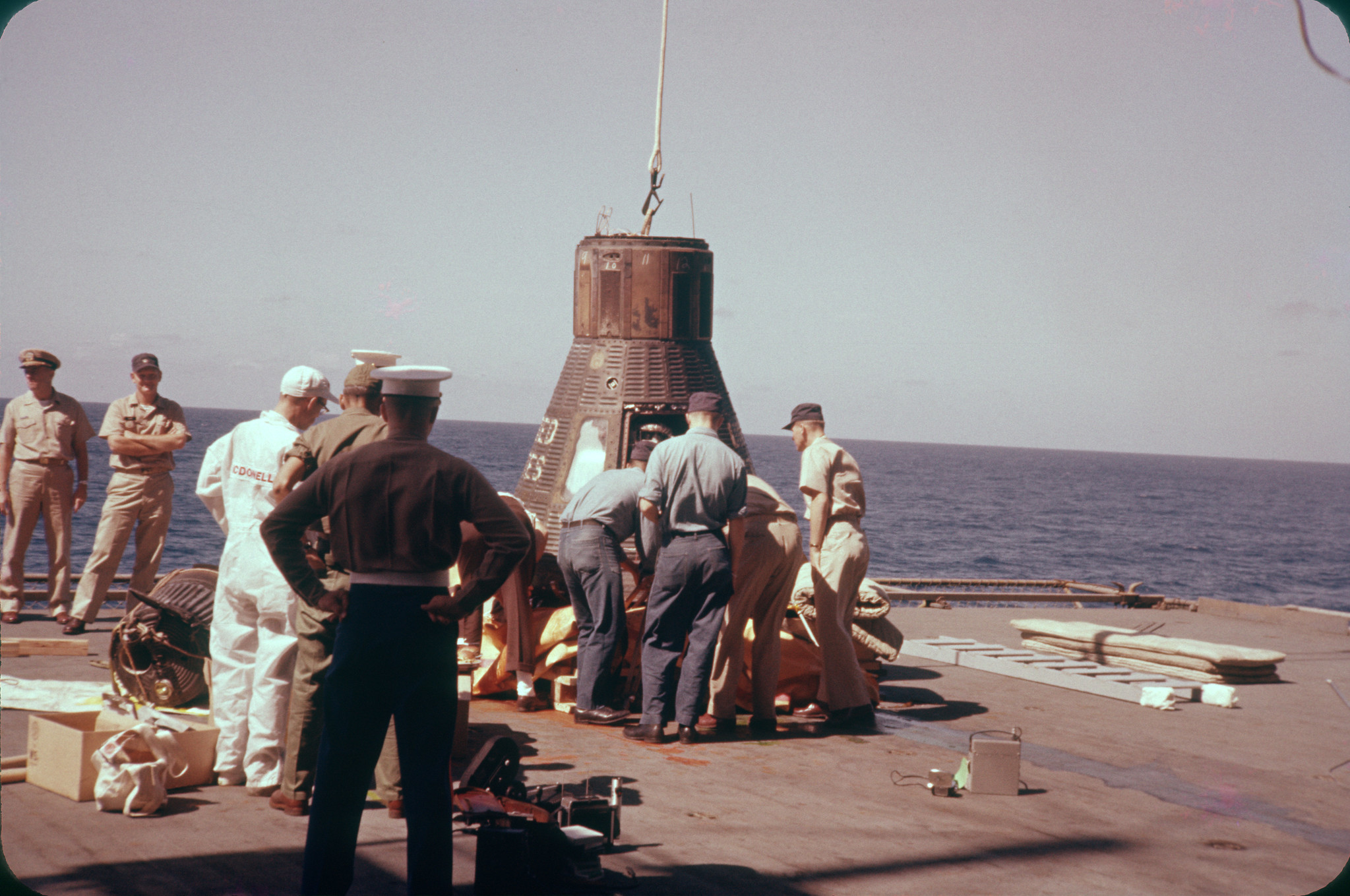
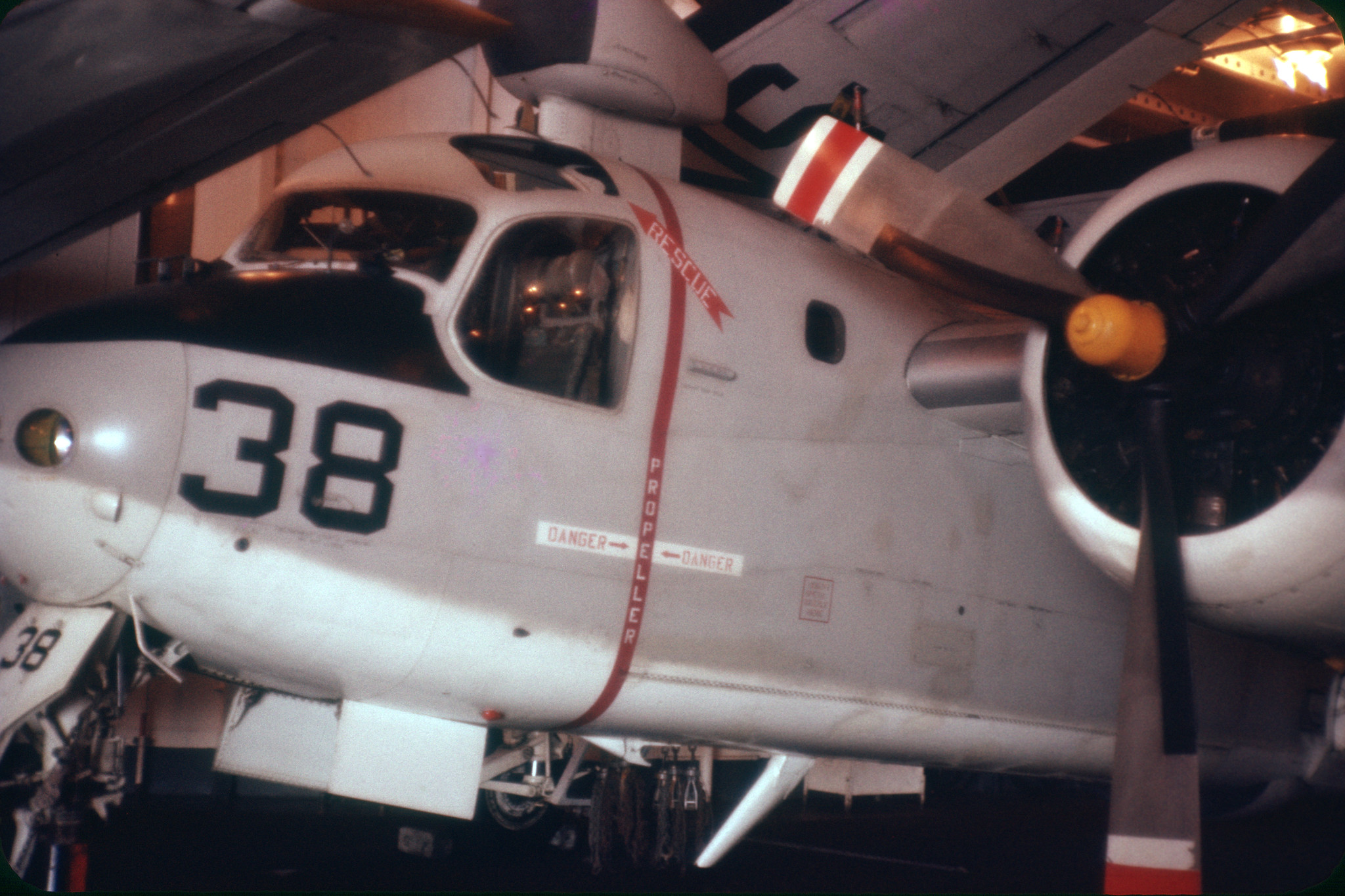
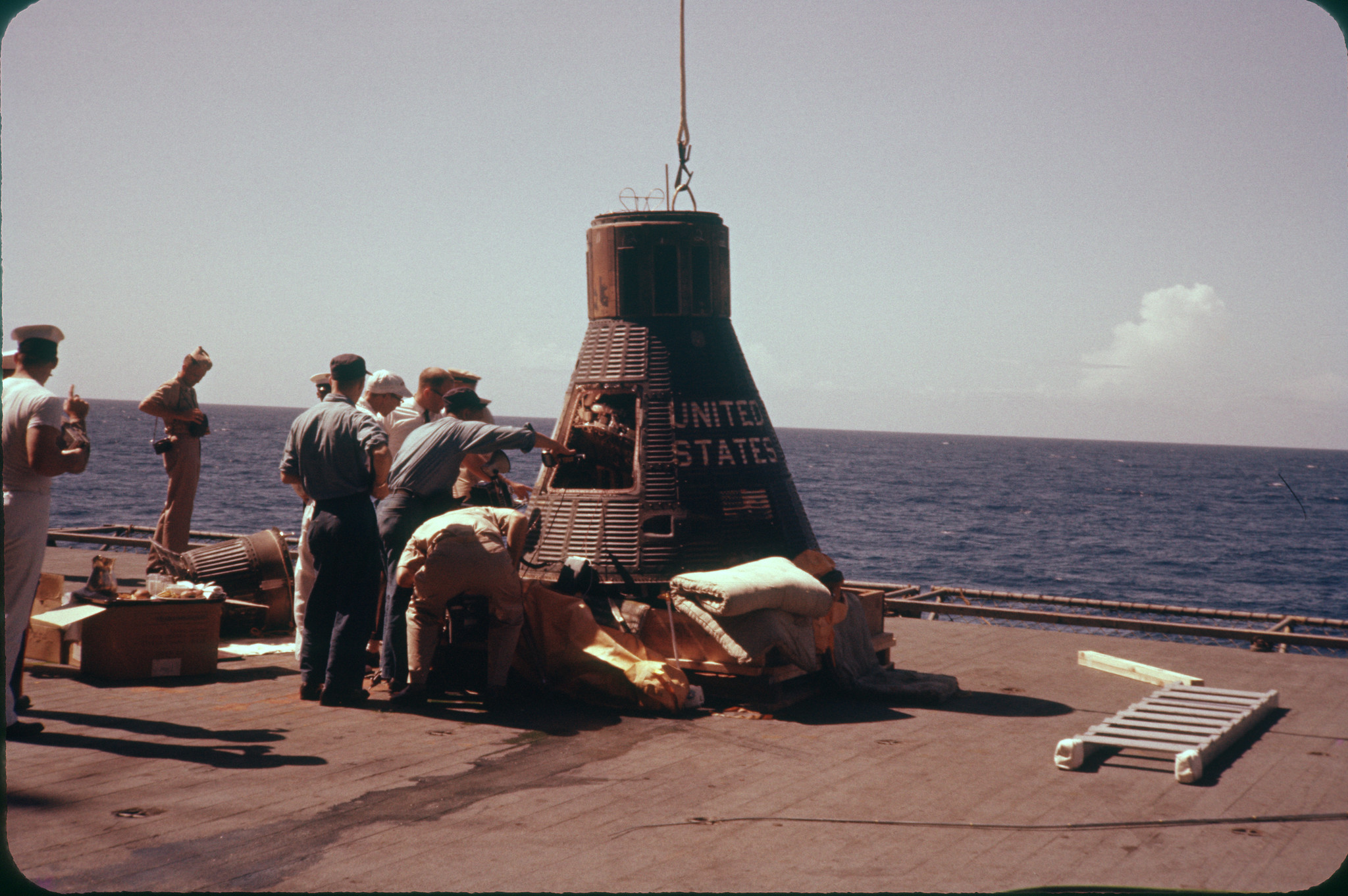
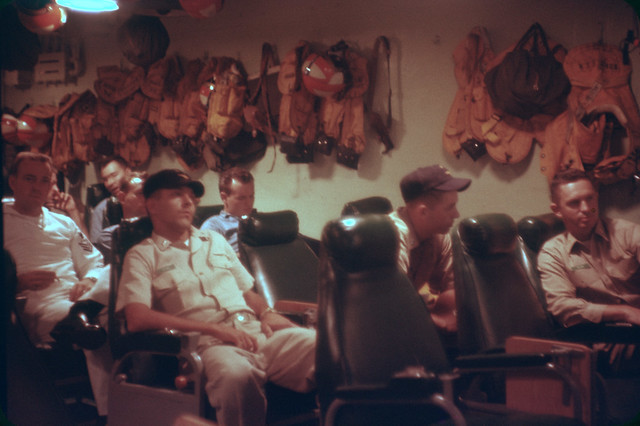
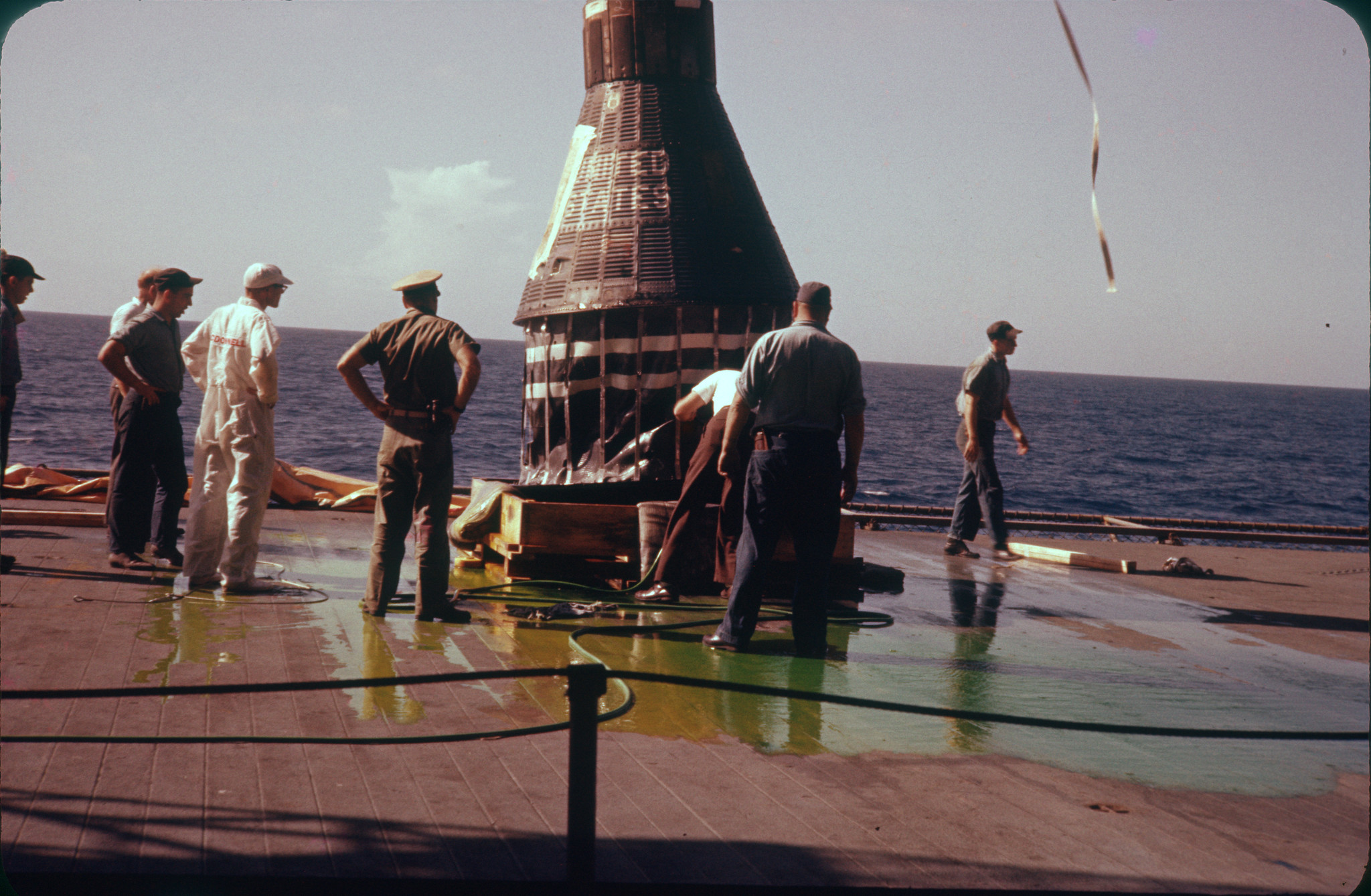
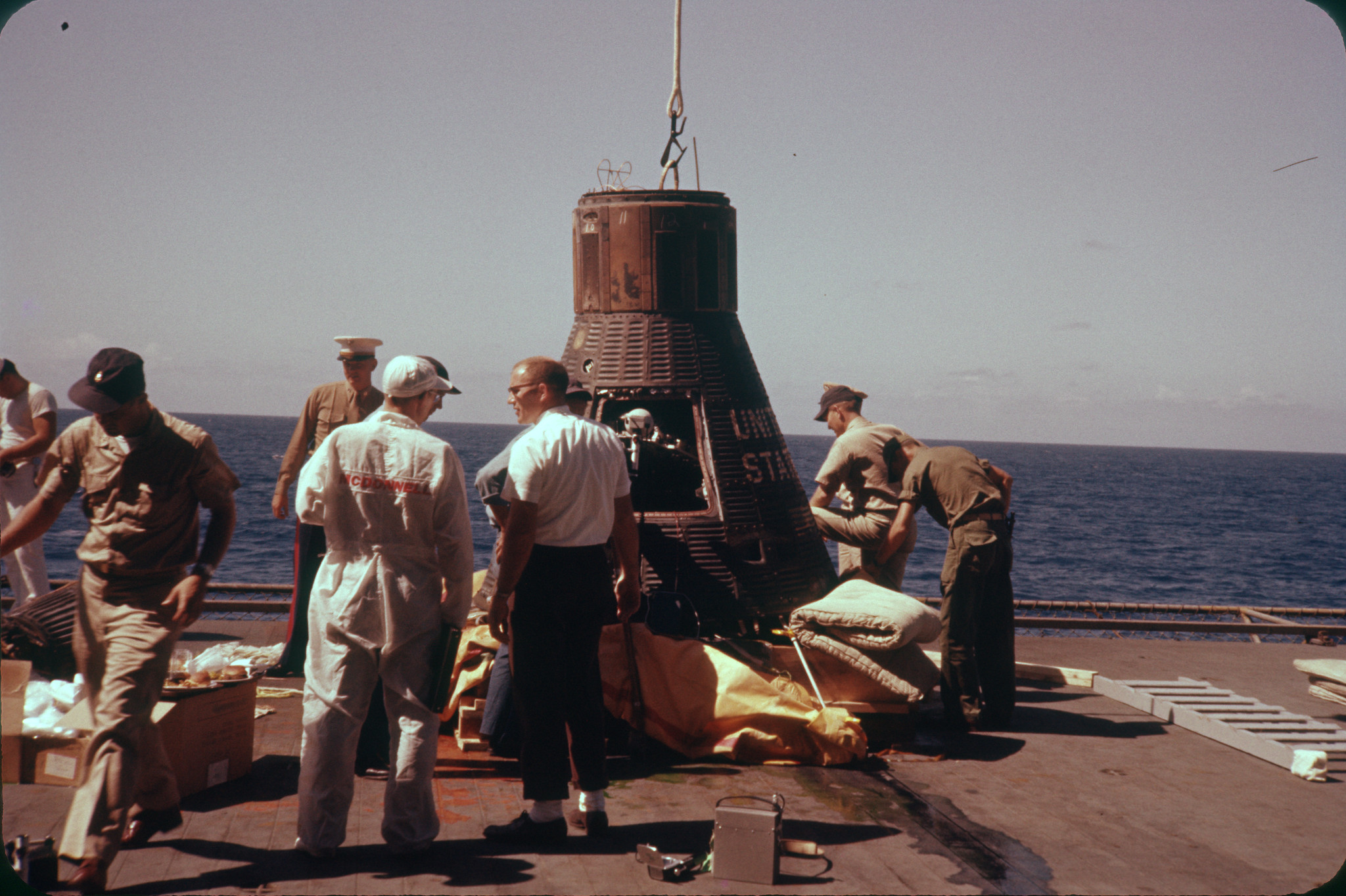
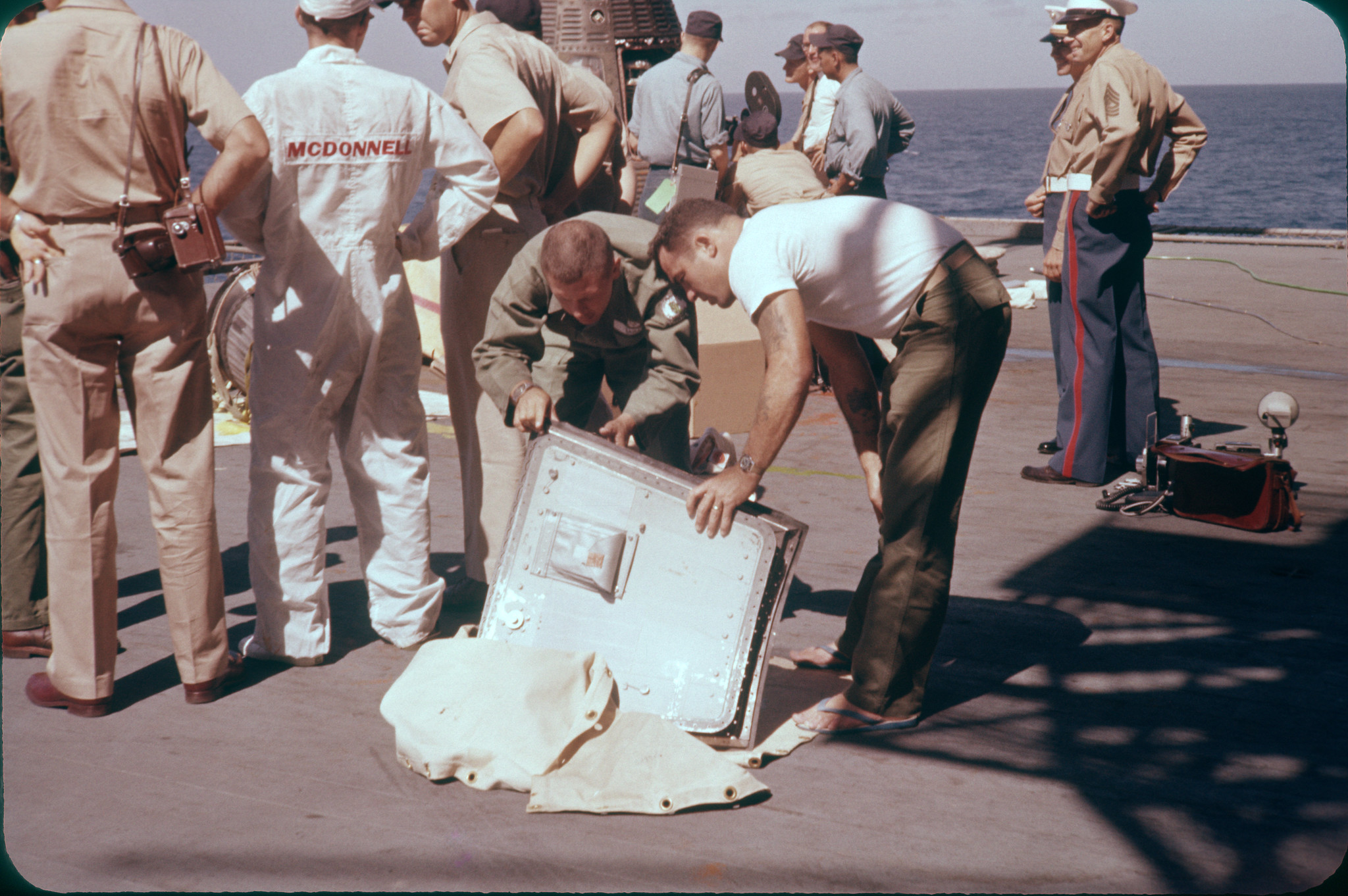
Photos taken by crew member onboard the USS Kearsarge.
October 3, 1962
Scans of original slides, color fade corrected and cleaned with Digital ICE.

https://www.flickr.com/photos/steamarchive/albums/72157709390757626

The photos are not sharp enough to read the watches well, that could give us an exact time.
Perhaps with some imagination and comparison of different watches we can come close.
If you want to give it a shot, I can provide raw scans that got a higher dynamic range, usefull on the bright watch faces. Huge files though, without redcast correction.
48183188687_127b4a38d2_k_d.jpg

48183097436_474ced92e0_k_d.jpg

48183156342_05ad428629_k_d.jpg

48183197967_65904c4e59_k_d.jpg

48183119401_46ac4e1a9a_k_d.jpg

48183128471_6eaec48e60_k_d.jpg

48183175842_7115231efb_k_d.jpg

48187643466_b0e90942ce_z_d.jpg

48187695327_ed29d19770_k_d.jpg
 
IIRC, this would be about the time that Photo Engineer was working with NASA - maybe he was there!
 
Fascinating, this is great! In photograph 2, a fellow in uniform on the left is wearing over his shoulder two cameras. One is a TLR, maybe a Rolleicord? I can't identify the 35mm camera in a case. On the right of the picture, a Crown Graphic or equivalent is on the deck along with an early-vintage electronic flash unit. In the middle, one crewmember is on deck in his with flipflops! Wow, you would never see this today. (In my earlier life, when I did geotechnical work in the Gulf of Mexico, one of our chief drillers wore his flipflops and baseball cap when he ran the drill rig. Not me, I wore steel toe boots.)
 
Fascinating, this is great! In photograph 2, a fellow in uniform on the left is wearing over his shoulder two cameras. One is a TLR, maybe a Rolleicord? I can't identify the 35mm camera in a case. On the right of the picture, a Crown Graphic or equivalent is on the deck along with an early-vintage electronic flash unit. In the middle, one crewmember is on deck in his with flipflops! Wow, you would never see this today. (In my earlier life, when I did geotechnical work in the Gulf of Mexico, one of our chief drillers wore his flipflops and baseball cap when he ran the drill rig. Not me, I wore steel toe boots.)

The TLR is a Rolleicord or copy of a Rolleicord for sure. The 35mm camera looks like a Zeiss Ikon Contaflex of some sort; al least the case matches my Contaflex Super B to a large degree. But then again, it could be a Yashica Rangefinder in that case. Oh well, its a camera for sure! :wink:

I was a Roustabout in the Oil Fields of Oklahoma in the late 1970's and Early 1980's to earn money for College. You'd have to be insane to wear flip flops in "the patch", let alone on a drilling rig!
 
Right after launch, I was at the Cape loading film onto a helicopter in a foot locker. I was on the last team to leave the pad before launch, and the first back on. The pad was still hot and steaming. I was a few miles away with Dee Ohara and the emergency crew. (look her up)

I have comparable shots and memories.

The official shots were made on 160 HS Ektachrome and cross processed in C22. IMHO they look pretty bad, but they made the cover of Time and Life. Nat. Geo. published a special small edition of the launch and gave it to us workers, and we got a lapel pin. Being military, I could not wear it on my uniform.

PE
 
There is also a ciné camera there, the 400' film magazine is visible.
 
Right after launch, I was at the Cape loading film onto a helicopter in a foot locker. I was on the last team to leave the pad before launch, and the first back on. The pad was still hot and steaming. I was a few miles away with Dee Ohara and the emergency crew. (look her up)

I have comparable shots and memories.

The official shots were made on 160 HS Ektachrome and cross processed in C22. IMHO they look pretty bad, but they made the cover of Time and Life. Nat. Geo. published a special small edition of the launch and gave it to us workers, and we got a lapel pin. Being military, I could not wear it on my uniform.

PE


Why did they cross process the film? That usually whacks out the colors. Why not just shoot negative film if they wanted negs, or just process the slide film normally?
 
In this video, at about 13:30 you can see that Graflex in use. It looks like he is using a Grafmatic film holder.
 
Chris, I really don't know for sure, but I suspect it was the speed. They got around 400 speed from it. Look at some of the cover pix. The crossover is evident in spite of the masking in preparing for the print process.

PE
 
PE, I think you mentioned the Apollo 11 film was also Ektachrome 160 cross-processed?

I guess also for speed?

I have always been curious why they used slide film instead of negative film, even though the lunar environment has loads of contrast.
 
There is also a ciné camera there, the 400' film magazine is visible.
At 2nd and 5th photograph. Also visible is the battery pack at the 2nd.

EDIT:
That battery pack shows up repeatedly. Instead it rather is a pack/generator for that flash/continuous light used for illuminating the inside of the capsule.
 
Last edited:
The green mess at the last picture likely is fluorescine, intended to colour the water around the point of impact.
(PE might tell more on its usefullness at sea.)
 
PE, I think you mentioned the Apollo 11 film was also Ektachrome 160 cross-processed?

I guess also for speed?

I have always been curious why they used slide film instead of negative film, even though the lunar environment has loads of contrast.

I have not commented on Apollo 11 film usage as I was not there. I left just as the Gemini program was starting and Mercury was winding down.

AFAIK, the need for speed in the MA7 launches was the driving force.

PE
 
I have been dying to ask... what's up with the hamburger and coke lunch on the cardboard box in photo 1 of original post?

I have read that W. Shirra had snacks during flight, so probably not for him?
 
The TLR might be Ricohflex with 35mm adapter.

Screen Shot 2019-07-05 at 4.18.00 PM.png

Screen Shot 2019-07-05 at 4.25.22 PM.png

Screen Shot 2019-07-05 at 4.29.29 PM.png
 
Last edited:
It seems to me that the instrument panel in the capsule has come loose and is hanging halfway down the hatch.
 
Alright, story time!

These slides were taken by Jack, who was a Navy Lieutenant at the time the photos were taken. He had several tours in Japan prior to this and bought a camera there to pursued that as a hobby. I have been talking with the seller, jack's son.

On photo 3, Jack is leaning against Hg8.

Here is part of a memoir written by his wife:

"I got up at 5:00 o' clock on Wednesday, October 3, to watch the launching from Cape Canaveral of the Mercury-Atlas 8 with Astronaut Wally Schirra.
It was the fifth United States man mission. It was so exciting! I had the radio on all day with reports. He made six orbits taking about nine hours.
I was able to see the pickup on TV in the late afternoon.

Jack's squadron had put in many hours of training in case the capsule didn't land where it was planned to come down.
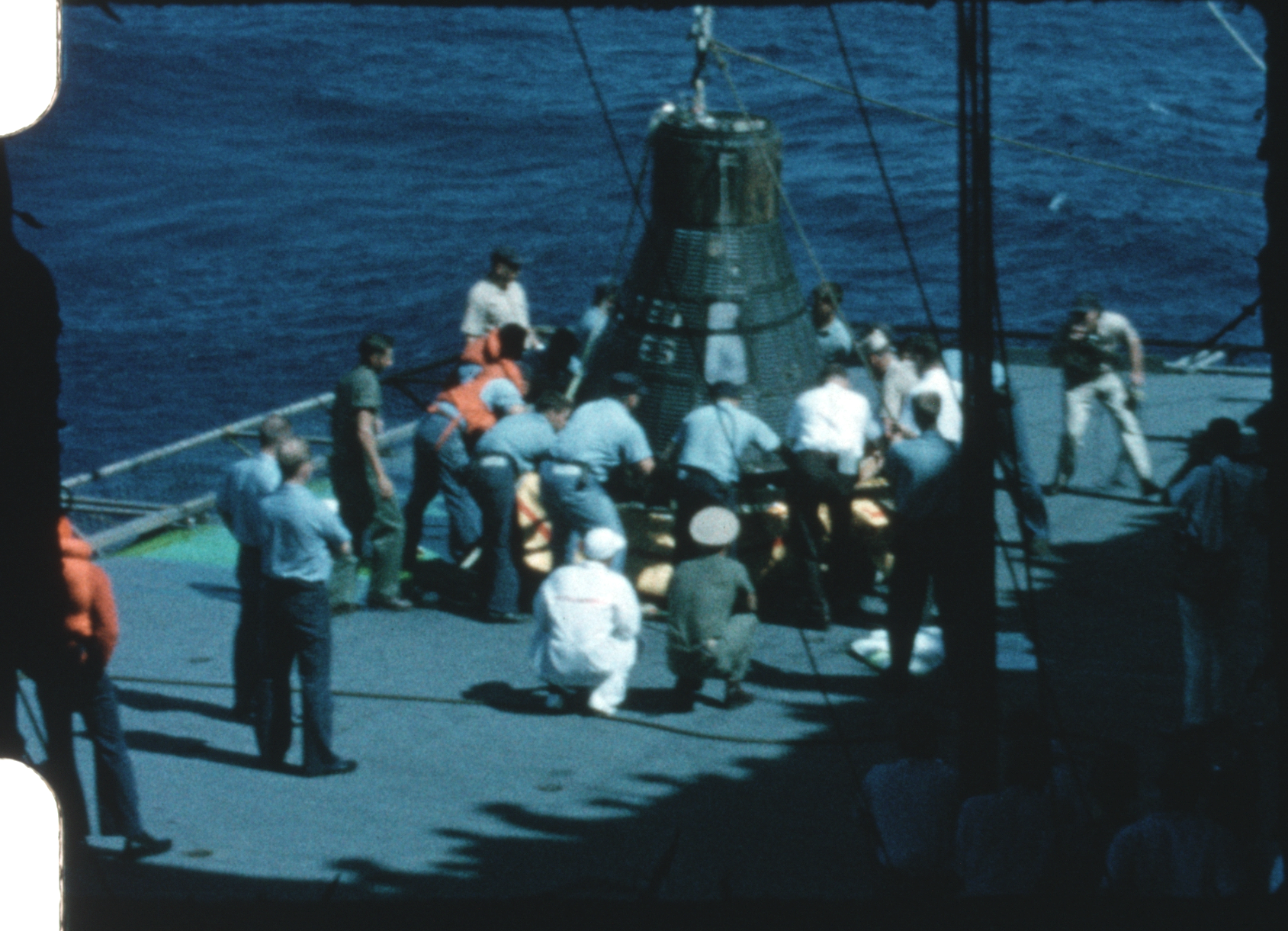
However it was a perfect landing and came down near the USS Kearsarge. Jack took movies of the capsule floating down, and Schirra being helped out into the lifeboat by a couple of SEALS.
When the lifeboat came near the ship, there was much cheering and applause from the ship's crew.
Wally Schirra was first off the boat and was given a royal welcome.
Soon he was off to sick bay to be carefully checked by the doctors. He received a call from his wife and one from President Kennedy. What a thrilling day!

This next day was just as exciting for Jack because he had to honor to fly to Midway Island to pick up Astronaut M. Scott Carpenter, a close friend of Wally Schirra.
Jack was back with his passenger in less than three hours. Scott Carpenter had been on the previous launch into space. The astronauts had dinner with the Captain.
Because there was no admiral on the ship, Wally and Scott were given the Admiral's stateroom."
 
The 8mm was shot on Kodachrome, the colours are incredibly beautiful and it makes a big impression.

It seems to be a good move to have it scanned at the FilmFabriek at the Netherlands, with their beautiful 2K scanner with wet gate, dust restoration and sharpening.

I have spoken with another collector, and he will try to synchronize the respective NASA radio broadcast with the silent 8mm footage.

It is going to be great!
 
I have always been curious why they used slide film instead of negative film, even though the lunar environment has loads of contrast.

It's been my experience, from the few cross-processed rolls I've tried, that cross-processed slide film behaves more like negative film, in that the contrast is not so extreme and it's more forgiving in regards to minor exposure errors.
 
Talked last night with a guy who was on deck when they picked up the Apollo-Soyuz capsule. If you have those pictures he’s probably one them.
 
Photrio.com contains affiliate links to products. We may receive a commission for purchases made through these links.
To read our full affiliate disclosure statement please click Here.

PHOTRIO PARTNERS EQUALLY FUNDING OUR COMMUNITY:


Ilford ADOX Freestyle Photographic Stearman Press Weldon Color Lab Blue Moon Camera & Machine
Top Bottom