

Hello everyone,
I’d like to introduce an alternative photographic printing process that I have been working with and researching for a long time: Resinotype.
What is Resinotype?
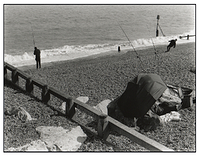
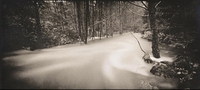
Resinotype is a historical photographic process developed in the early 1920s by Rodolfo Namias. It belongs to the family of dichromate-based printing techniques, where gelatin sensitised with dichromate salts becomes light-sensitive. When exposed under UV light with a positive transparency, the gelatin hardens proportionally to the amount of light it receives. During development and pigment application, the image gradually emerges, combining photographic structure with a distinctly hand-crafted surface.
What I personally find compelling about Resinotype is the way it sits between photography and printmaking. Each print carries subtle variations in texture, tone, and surface character, making every result unique rather than mechanically repeatable.
Video documentation of the process
I have documented the Resinotype process in a structured video workshop, covering its historical background, materials, sensitising, exposure, and practical workflow with pigments:
The video is organised step-by-step and may be useful both for those new to alternative processes and for practitioners familiar with other gelatin-based techniques.
I’m sharing this here primarily to contribute to the discussion around lesser-known historical processes and to exchange knowledge within the analog photography community.
Have you come across Resinotype before, or experimented with similar dichromate-based processes?
I’d be interested to hear about your experiences or impressions.
I’d like to introduce an alternative photographic printing process that I have been working with and researching for a long time: Resinotype.
What is Resinotype?
Resinotype is a historical photographic process developed in the early 1920s by Rodolfo Namias. It belongs to the family of dichromate-based printing techniques, where gelatin sensitised with dichromate salts becomes light-sensitive. When exposed under UV light with a positive transparency, the gelatin hardens proportionally to the amount of light it receives. During development and pigment application, the image gradually emerges, combining photographic structure with a distinctly hand-crafted surface.
What I personally find compelling about Resinotype is the way it sits between photography and printmaking. Each print carries subtle variations in texture, tone, and surface character, making every result unique rather than mechanically repeatable.
Video documentation of the process
I have documented the Resinotype process in a structured video workshop, covering its historical background, materials, sensitising, exposure, and practical workflow with pigments:
The video is organised step-by-step and may be useful both for those new to alternative processes and for practitioners familiar with other gelatin-based techniques.
I’m sharing this here primarily to contribute to the discussion around lesser-known historical processes and to exchange knowledge within the analog photography community.
Have you come across Resinotype before, or experimented with similar dichromate-based processes?
I’d be interested to hear about your experiences or impressions.
Attachments
Last edited by a moderator:
