
Using JOBO reels and 2500 tank, I took a standard working time for 120 6X6 rolls of TMAX in Perceptol 1:1 recommended for tone, and given the source works with INVERSION, made a 15% reduction for ROTATION on my Uniroller base. Reading through threads here (and/or on the Rangefinder Forum - not sure which), I found mention that TMAX is not a fan of pre-soak.
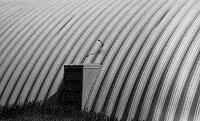
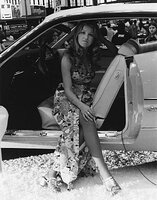
On the other hand, John Tinsley's "The Rotary Processing Manual" pretty much dictates the virtues of a 5 minute pre-soak. So went back to that. The trick I found on deeper reading, was that a pre-soak with some films (not all? maybe just crystal or t-grain?) is that adjustment (time extension) is needed to allow for the absorption of water in the pre-soak. I couldn't find a number, but decided to go with 20% added. So given the net of a 15% reduction and 20% add, I came up with 105% of the recommended time. Could have just assumed a 15% minus and 15% plus to offset and go with standard recommended time unadjusted, but didn't. Maybe I'm ornery? Images came out fine. Will have to work with this to refine the time, but it worked and contrast was generally good.
In confirmation that water absorption must have an impact, I found that after hanging the negs to dry from the usual metal alligator clips (I use one at the top and one on the bottom), I was a bit horrified on inspection some 30 minutes later to find the film had an edge to edge curl. Never seen this before. I reversed the clips and a couple of hours later it went away. But I assume some of this may have been due to pre-soak? I've not even read of this mentioned anywhere, but maybe I just hadn't paid much attention.
So I'm thinking time extension to address pre-soak is the right thing with TMAX. But I don't know whether this is normal or not. Your experience?
On the other hand, John Tinsley's "The Rotary Processing Manual" pretty much dictates the virtues of a 5 minute pre-soak. So went back to that. The trick I found on deeper reading, was that a pre-soak with some films (not all? maybe just crystal or t-grain?) is that adjustment (time extension) is needed to allow for the absorption of water in the pre-soak. I couldn't find a number, but decided to go with 20% added. So given the net of a 15% reduction and 20% add, I came up with 105% of the recommended time. Could have just assumed a 15% minus and 15% plus to offset and go with standard recommended time unadjusted, but didn't. Maybe I'm ornery? Images came out fine. Will have to work with this to refine the time, but it worked and contrast was generally good.
In confirmation that water absorption must have an impact, I found that after hanging the negs to dry from the usual metal alligator clips (I use one at the top and one on the bottom), I was a bit horrified on inspection some 30 minutes later to find the film had an edge to edge curl. Never seen this before. I reversed the clips and a couple of hours later it went away. But I assume some of this may have been due to pre-soak? I've not even read of this mentioned anywhere, but maybe I just hadn't paid much attention.
So I'm thinking time extension to address pre-soak is the right thing with TMAX. But I don't know whether this is normal or not. Your experience?

