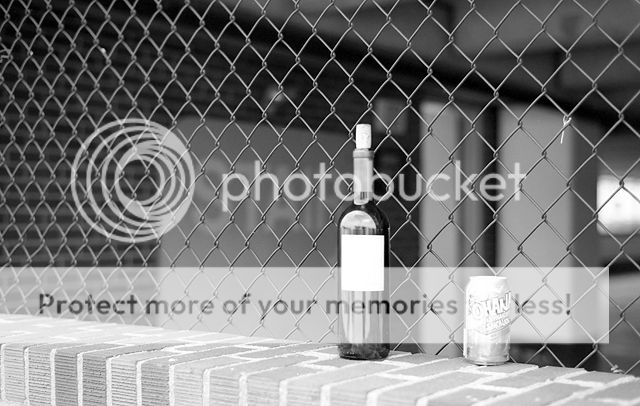
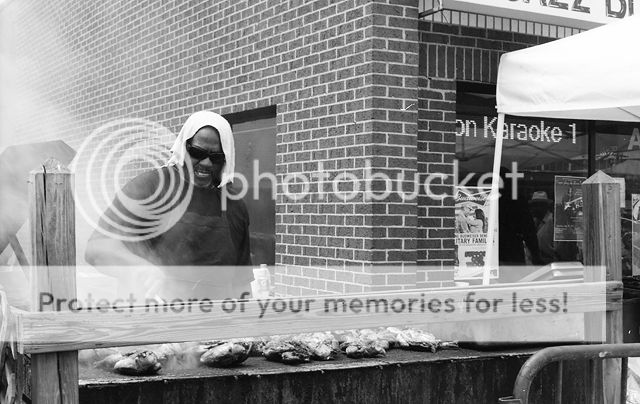
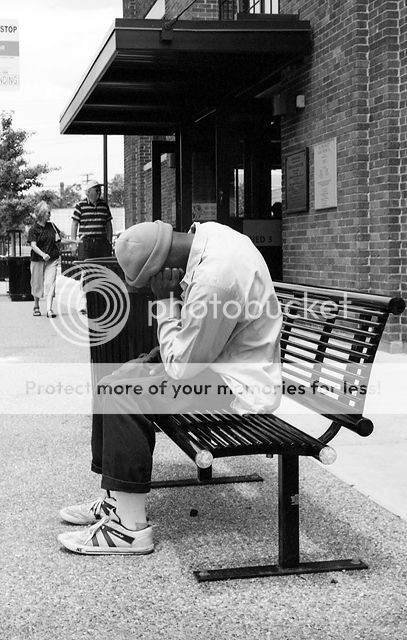
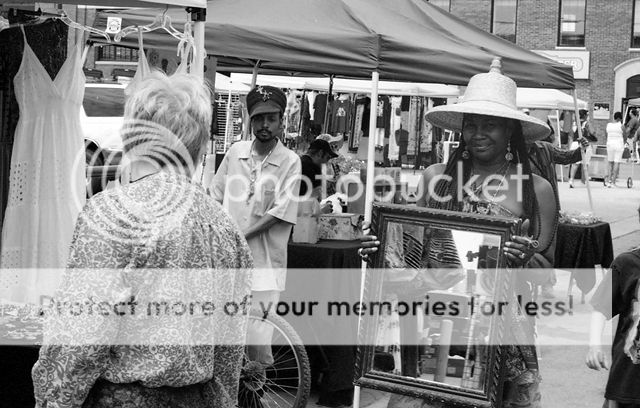
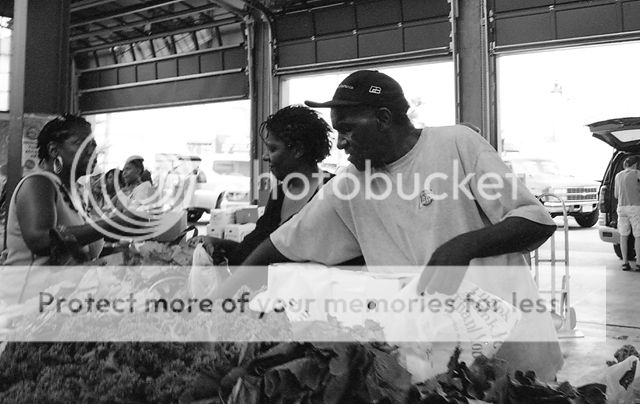
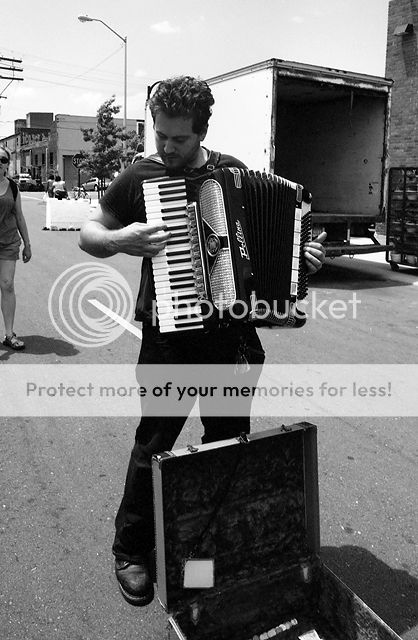
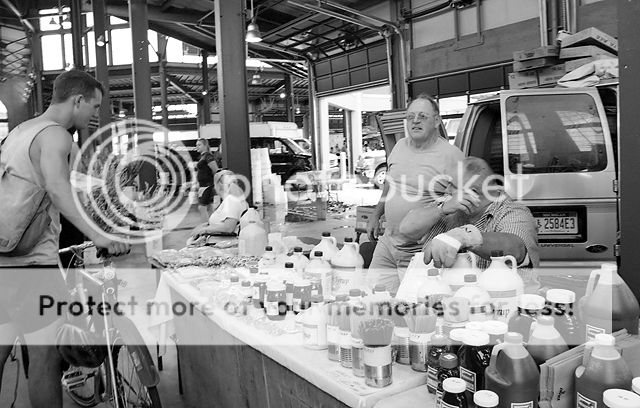
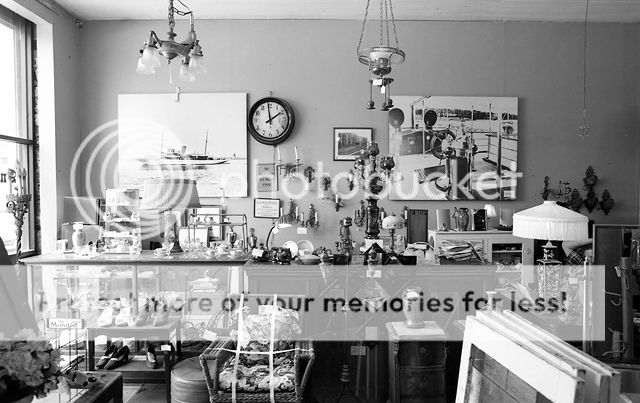
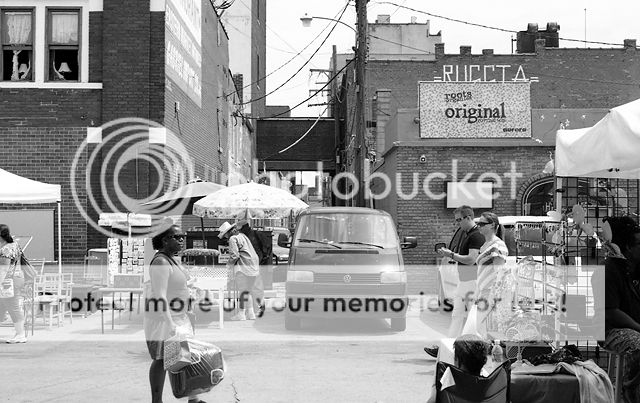
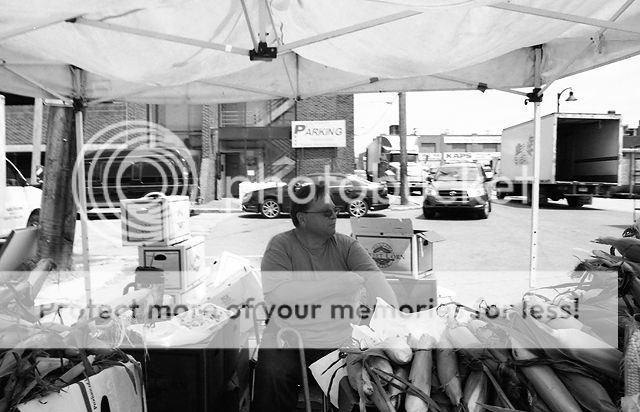
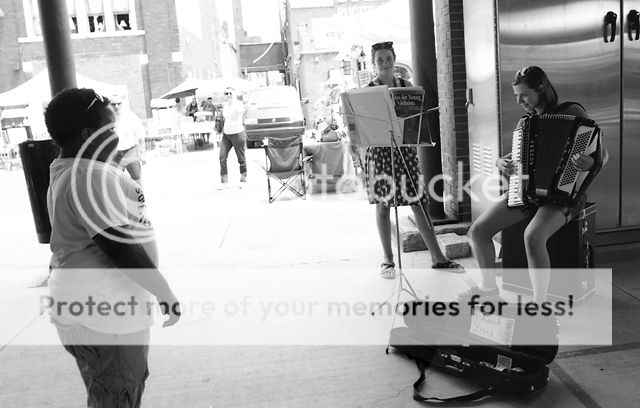
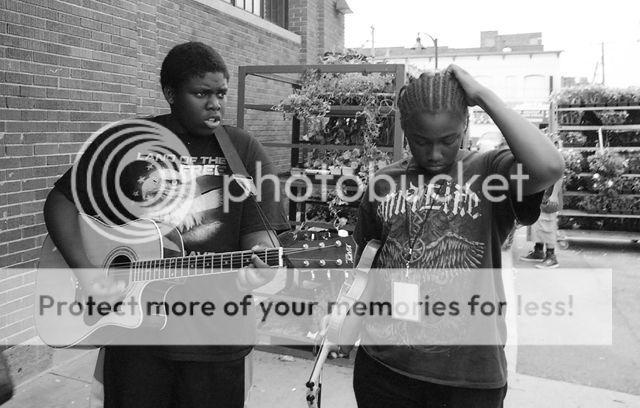
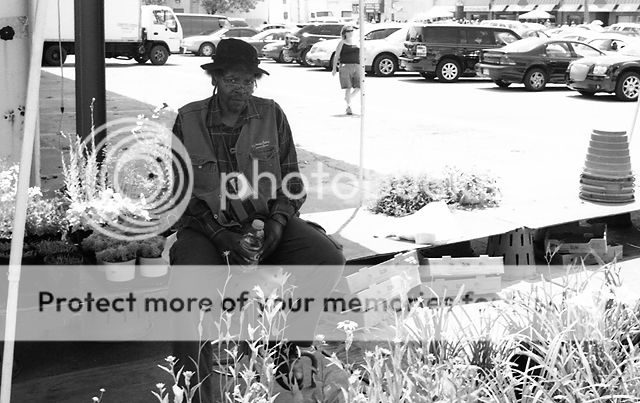
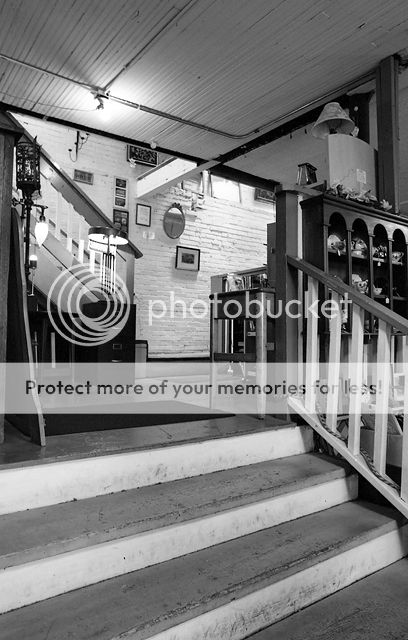
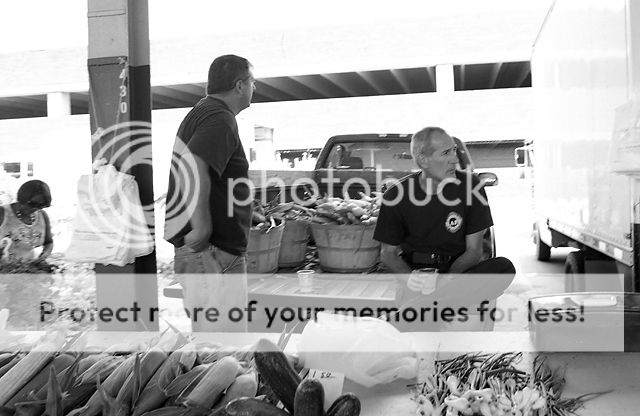
I really like what you said about the use of b&w in digital vs film photography. I would venture out to say that FlyingCamera said what he said because I posted 17 photos there is a lot of black and white to look at. But I do think that b&w was justified here because I think it allows the viewer to concentrate more on tone and texture. Since it's at a market, colors are very repetitive and I think color would be a little too overpowering.
I'm just starting now on b&w film. My freezer is full of Tri-X that I bought here on Apug (thanks Karl), next job is to subscribe because I think I'm going to live here for a while. I'm contemplating how to use the film which is simply overcome by you by just doing it so you are already ahead of my game. Its not easy, I can see that. If I'm going to carry both film and digital bodies I'm going to have to be a bit of Jeckyll and Hyde.
There is a consensus now that street has no definition or that it at least has boundaries that stretch and contract but it still has its edges. A simple logic, if it has no edges then its nothing and we know this isnt true. There are arguments between photographers about what it is or isnt but as someone said in the 'what is street?' thread ...its easier to say what isnt.
While many have difficulty defining it and thinking that it has no edges, it is by its own nature ...defined but so many are diluting it and many others are confused about its meaning and think its photographs taken in the street.
Its funny but b&w has always been the domain of street and digital users will happily convert and add grain but there is another step that they neglect ...they never print it.
To anyone that wants to challenge the definition I'll just ask ...are you willing to print it, frame it and hang it on the wall. It doesn't have to be in focus or even exposed correctly which is borne out by the hundreds of golden age photographs that are already on walls.
On the topic of travelogue vs. street photography, I noticed that I was forced to use my 28mm more than my 50mm and as a result could not get as close as I needed to since I am used to working with the angle of view given by a 35mm or 50mm lens. The reason I was using my 28mm more often was because I needed to zone focus and the 28mm gave a wider range of distances that would be in focus.
The wides are used to get closer, the longer lenses are for compressing and isolating, the wider are not so much for wider scenes as they might be used in landscape but deeper ones as they are used in street. I use 21, 28 35, 50 & 100. That you are zone focusing suggest that you are being a bit covert and the price for that is composition. Its a great skill to center a subject but it tends to isolate the subject without consideration of the whole scene. The whole scene is the photograph.
I do have to say that I disagree with your definition of street photography needing to engage with a subject, there are quite a few very well known "street" photographers out there who do not engage a subject when photographing him/her. Not saying my work is anywhere near his level, but the infamous Bruce Gildan comes to mind.
Gilden never comes to my mind. Also you are wrong about not engaging ...look at their expressions or even the lack of. He shoves it in their faces to shove their faces into yours when you view them. It brutish but its a technique. When I refer to subject I should re-phrase, the subject is the photograph, the result after the picture is taken, it includes all elements in a photograph and depending on those elements is how we take the picture. FL, angle of view, colour, light and so on. Street is everything in the one image and not so unlike landscape. In a landscape we might have a tree, a hill, some or a lot of sky, we might have some emotional content like sunset or dawn or fog or rain and with these combinations a photographer will make a decision of how best to photograph the scene ...this is street. That decision is then visible in the photograph, a low shutter speed to explore the shadows or to blur the movement, a wide lens to exploit the depth, but the point is that these things become evident. Its also how we get to see the mind of the photographer in an image. Step into a forest and without consideration of the scene, press the shutter. The result is the same in the street and this is the difference between street photography and photography in the street.
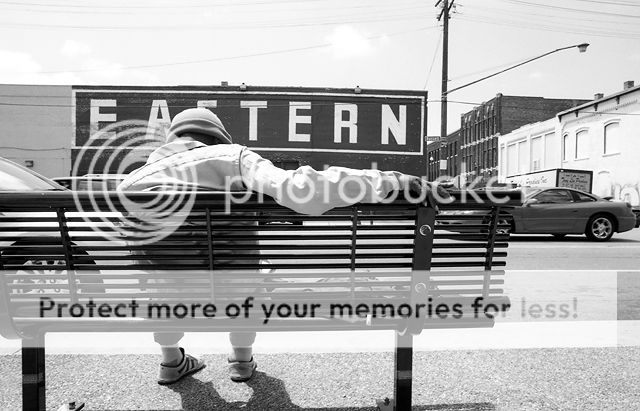
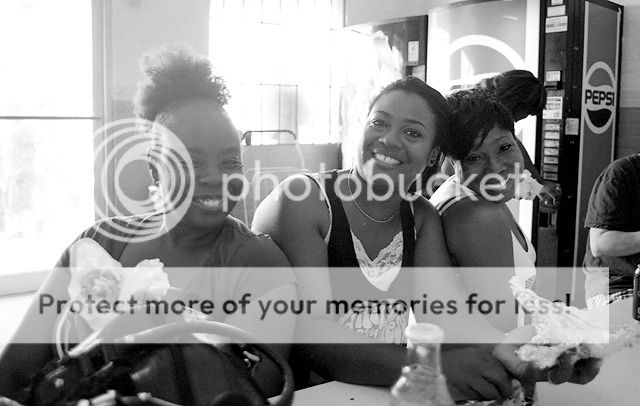
Pics #1 and #5 are what I'd define as street and I thought it odd that some might pick #2 and #6 as they focused on my reference to subject and not at all to 'street'. Pic #5 was also why I made some reference to safety. Its an emotive image and sometimes with these we need to be careful. If its simply someone tired and there was never any danger then THIS is STREET, where a photographer influences or controls what we BELIEVE we are looking at ...and we want to look and question and wonder.