Alan Townsend
Member
Last year, I spent some time experimenting with tinting the cyanotype base from the normal white, to shades of yellow or other pastel colors. This was something I thought about trying over the years but never went through with it. I bought a watercolor tube paint set, and then tried to apply a lite yellow tint all across the surface of a test print. The idea is to get some other colors involved with the white and the blues to make something interesting. Blue plus yellow makes some shades of green. The highlights being yellow could also look good in landscapes because the sun is yellow. Just take a look through your K2 yellow filter at a cyanotype and you'll see what I mean. Note my finger filter across the top of the cyanotype, that would make a nice flesh colored wash that looks like a cuprotype or ferroblend.
Here's example of the idea, although not a great one.

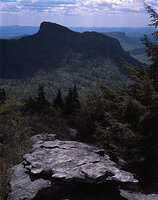
Take this cyanotype.

...and wash over it with a transparent water color or dye, and this is what you should get. This is a faked version using a K2 filter over my phone lens with color balance in manual mode and adjusted to 3200. I could not find the examples I played with last year, but they didn't look very good anyway. I didn't know watercolors weren't all transparent. The tube colors I got left little flecks of yellow lieing on top of the blue, not a good look. I got some food coloring, which is a die that's not very stable but easy to try. It also didn't very good for the same reason. On Amazon, there are a few products with the brand name "Dr. Bonner's" transparent water colors, but they use dies, not pigments.
I may trot down to Michael's, the big chain art store nearby and see what they have. Does anyone have any experience doing this? Any suggestions for transpaent colors for this? I watch a few videos on Youtube on transparent watercolors, but am confused a bit. They talk about a color appearing behind the others, and that is what I am looking for. This would look at if the paper were a pastel yellow before printing. Other pastel colors like orange or yellow green may also look good. Anything but blue. Already full up on the blue. Coloring could be selctive by leaving the sky blue, etc.
Advantages of this are:
1.Giving a more sunlit look to woodland landscapes.
2. Getting some greens by mixing yellow and blue.
3. Neutralizing the deep blue tones.
4. May give some UV and blue light protection for the print even though Mike Ware says all colors fade cyanotypes when he studied that.
5. I jokingly call these greeniotypes.
Here's example of the idea, although not a great one.
Take this cyanotype.
...and wash over it with a transparent water color or dye, and this is what you should get. This is a faked version using a K2 filter over my phone lens with color balance in manual mode and adjusted to 3200. I could not find the examples I played with last year, but they didn't look very good anyway. I didn't know watercolors weren't all transparent. The tube colors I got left little flecks of yellow lieing on top of the blue, not a good look. I got some food coloring, which is a die that's not very stable but easy to try. It also didn't very good for the same reason. On Amazon, there are a few products with the brand name "Dr. Bonner's" transparent water colors, but they use dies, not pigments.
I may trot down to Michael's, the big chain art store nearby and see what they have. Does anyone have any experience doing this? Any suggestions for transpaent colors for this? I watch a few videos on Youtube on transparent watercolors, but am confused a bit. They talk about a color appearing behind the others, and that is what I am looking for. This would look at if the paper were a pastel yellow before printing. Other pastel colors like orange or yellow green may also look good. Anything but blue. Already full up on the blue. Coloring could be selctive by leaving the sky blue, etc.
Advantages of this are:
1.Giving a more sunlit look to woodland landscapes.
2. Getting some greens by mixing yellow and blue.
3. Neutralizing the deep blue tones.
4. May give some UV and blue light protection for the print even though Mike Ware says all colors fade cyanotypes when he studied that.
5. I jokingly call these greeniotypes.