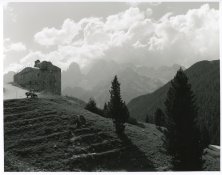
Yellow: makes the sky look more normal as do Caucasian skin. If you can afford the one stop loss of light, keep it on most of the times. This filter is mandatory to have in the bag
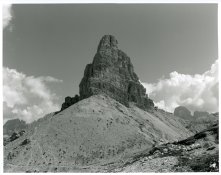
Orange: Skies look a little bit more dramatic, but still within reason. Very efficient when the storm is approaching
Red: Can make the blues in the sky look almost black. Quite dramatic and should be used with intent
Green: Makes green leaves appear lighter. Works very well on photographs with large areas of foliage
Blue: Gives the "old fisher-man" look to portraits. Maybe not the most flattering portrait filter, but if you happen to meet a fisher-man with a big beard
Yellow/Green: A little bit of the yellow filter and a little bit of the green. Think portrait
Circular polarizer: Reduces reflections depending on how you turn it. Can be used when you have unwanted reflections in water, windows, but can also be used to make skies appear more dramatic (like yellow/orange/red) and to increase the perceived structure of certain surfaces (rock, walls, wood etc.). The polarizer is very useful, but can give very uneven effects over the frame if you are using ultra-wide angle lenses. The polarizer can also be used with color film
Personally, I use yellow, orange, red and a circular polarizer for medium format and only a yellow filter for small format. For color film, I also use a 81A warming filter