• Welcome to Photrio!
    Registration is fast and free. Join today to unlock search, see fewer ads, and access all forum features.
    Click here to sign up

A great idea to digitizing negs and transparencies with what you already have!

Angular building 6

A
Angular building 6

  • 2
  • 0
  • 15
Angular building 5

A
Angular building 5

  • 0
  • 0
  • 11

Recent Classifieds

Forum statistics

Threads
202,550
Messages
2,842,230
Members
101,379
Latest member
deckeda
Recent bookmarks
0

Mainecoonmaniac

Member
Allowing Ads
Joined
Dec 10, 2009
Messages
6,295
Format
Multi Format
I don’t see the point of this.
It is incredibly easy to do something equal or better than this with a piece of opal Perspex/ plexiglass and a few pieces of wood.
If you really want to get flat, use lighter fluid and a piece of glass on top of your film.

The trick is to get even illumination of your diffuser. But that is not dealt with in this product will probably
The trick is to get even illumination of your diffuser. But that is not dealt with this product.
 
I don’t see the point of this.
It is incredibly easy to do something equal or better than this with a piece of opal Perspex/ plexiglass and a few pieces of wood.
If you really want to get flat, use lighter fluid and a piece of glass on top of your film.

The trick is to get even illumination of your diffuser. But that is not dealt with in this product will probably
The trick is to get even illumination of your diffuser. But that is not dealt with this product.

I think it's a product for those that want to digitize negs but are not handy at fabricating equipment. I've used negative carriers on my LED light box to do the same thing. But I already used what I have. But some might not have negative carriers handy.
 
But negative carriers are not good or convenient.
They are only a necessary evil in some scanners.
Use tape, glass or just something suitable to weigh the celluloid, if it’s flat.
 
If you have a decent home shop, then it would be rather easy to do a better job for a little less out of pocket, but only if you don't value your time. If you don't have access to more than a hammer and a screw driver (As is common for many living in apartments) then I can see this as a nice option to add to a kit of semi-cobbled together gear to get the job done.
 
I've used negative carriers on my LED light box to do the same thing.

But negative carriers are not good or convenient.
They are only a necessary evil in some scanners.

I'm guessing, but I think Mainecoonmaniac may be talking about the type of negative carriers that some of us use in the darkroom in enlargers.
 
But negative carriers are not good or convenient.
They are only a necessary evil in some scanners.
Use tape, glass or just something suitable to weigh the celluloid, if it’s flat.

After quite a bit of experimentation, I use an LED light table + glassless negative carrier + copy-stand + DSLR + macro lens to digitise my 6x6 and 6x7 negs. In my experience the negative carrier works much better (and faster) than using glass. True, the glass holds the film perfectly flat, but normal glass gives terrible Newton rings. ANR glass doesn't always prevent all Newton rings either (I know, I tried it with very high quality ANR glass plates), and furthermore causes a very noticeable softening of the captured image. Any tiny amount of non-planarity in the film when in the negative carrier is easily compensated by stopping down the macro lens to f8-f11.

It is also much easier to minimise the amount of dust with the above setup, as you only have two surfaces to deal with (front and back of film) rather than 5 or more.

 
After quite a bit of experimentation, I use an LED light table + glassless negative carrier + copy-stand + DSLR + macro lens to digitise my 6x6 and 6x7 negs. In my experience the negative carrier works much better (and faster) than using glass. True, the glass holds the film perfectly flat, but normal glass gives terrible Newton rings. ANR glass doesn't always prevent all Newton rings either (I know, I tried it with very high quality ANR glass plates), and furthermore causes a very noticeable softening of the captured image. Any tiny amount of non-planarity in the film when in the negative carrier is easily compensated by stopping down the macro lens to f8-f11.

It is also much easier to minimise the amount of dust with the above setup, as you only have two surfaces to deal with (front and back of film) rather than 5 or more.

I do just about the same setup but with macrotubes instead of a lens. I also shoot 6x6 twice and stitch in post. Never had an issue with flatness. And I shoot slightly past f/8 works like a charm.
 
I'm guessing, but I think Mainecoonmaniac may be talking about the type of negative carriers that some of us use in the darkroom in enlargers.
Yes. The carriers are from my Beseler 45MXT.
 
I do just about the same setup but with macrotubes instead of a lens. I also shoot 6x6 twice and stitch in post. Never had an issue with flatness. And I shoot slightly past f/8 works like a charm.

I've considered trying the multiple shot & stitch approach, but honestly the amount of detail I get out of even one cropped frame on my D810 is huge, so the former would just be overkill and extra hassle. Obviously digitising large format in this way would make much more sense.
 
I've considered trying the multiple shot & stitch approach, but honestly the amount of detail I get out of even one cropped frame on my D810 is huge, so the former would just be overkill and extra hassle. Obviously digitising large format in this way would make much more sense.

I use an APS-C so I'm trying to maximize my detail.

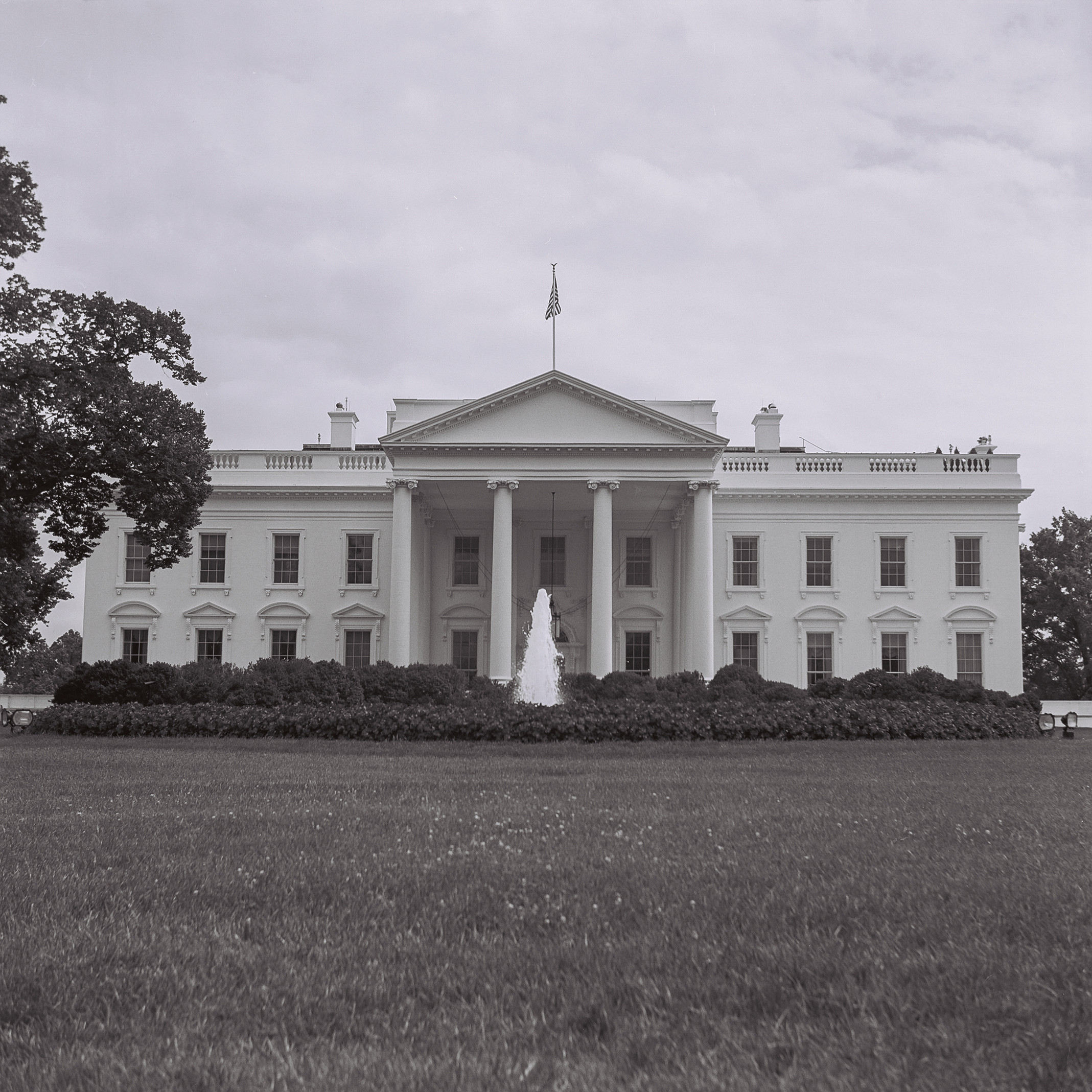
Here's a stitched 120 shot. I used a 6x4.5 carrier and shot top then bottom and stitched it in PS. This is a Bronica S2 with Shanghai GP3
TznqbQI.jpg


This is Tmax-400 shot in a Lubitel 2. Stitched I think the same way though I'm not 100% sure...
0et5rBE.jpg
 
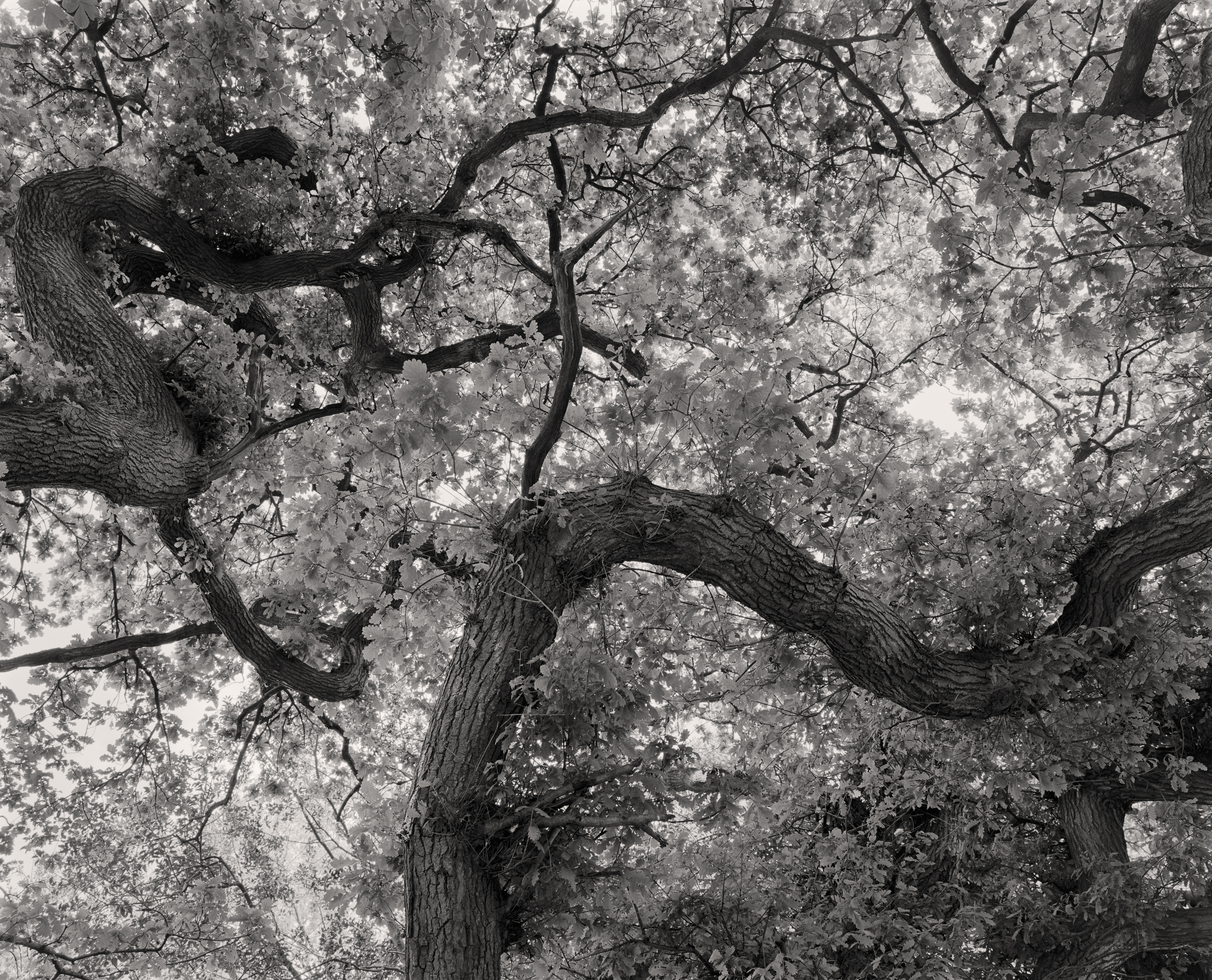
Here's one of mine. It's a resized version of the full res file (which is almost 4x this resolution) from a single D810 frame. Despite the resizing it gives an idea of the detail achievable using this procedure. Originally shot with a Pentax 6x7 MLU and 55mm f4 lens on Acros, developed in Pyrocat-HD.

40456208350_d6149a8049_o_d.jpg
 
Here's one of mine. It's a resized version of the full res file (which is almost 4x this resolution) from a single D810 frame. Despite the resizing it gives an idea of the detail achievable using this procedure. Originally shot with a Pentax 6x7 MLU and 55mm f4 lens on Acros, developed in Pyrocat-HD.

40456208350_d6149a8049_o_d.jpg

Yup, no need for stitching.

How much did you crop off the original shot? Or does 6x7 not need any cropping?
 
How much did you crop off the original shot? Or does 6x7 not need any cropping?

About 20% cropped off for a 6x7 frame. I have the DSLR set to a height on the copy stand so that when focused on the film it almost fills the frame vertically (with a very small border to allow for tiny adjustments to straightening etc). This leaves some blank space at the horizontal edges of the 2:3 frame.
 
About 20% cropped off for a 6x7 frame. I have the DSLR set to a height on the copy stand so that when focused on the film it almost fills the frame vertically (with a very small border to allow for tiny adjustments to straightening etc). This leaves some blank space at the horizontal edges of the 2:3 frame.

Ah, thanks.
 
I’ve been using negative carriers from my enlarger or my old Nikon 4500 scanner with a DSLR, copy stand, macro lenses, extension tubes, light pad, and stitching as needed for years now. I have an Omega alignment level to keep everything aligned, though there are better laser systems, leveling easels and such, which makes things even easier. I found that even stitching 9 overlapping frames tended to be quicker than scanning at maximum resolution, so I gave up on scanners more than 10 years ago. Except for stitching and the ease of color correction and retouching in Photoshop, this is just normal copy work, like we used to do to duplicate transparencies before digital.
 
That’s what’s so great about the DSLR method. You can get a very quick idea by just snapping a single frame.
Or use the true potential of film with a good macro setup.
You can use the equivalent of sensorshift (take more shot of the same place with small adjustments in framing) and bracketing to minimize aliasing and use the DR of film (different lightlevels and apertures).

When using glass for flatness use lighter fluid in between. Same as scanning fluid, only slightly more flammable, so don’t be stupid.
If you insist on dry glass scanning, it’s possible to shift the Newton patterns by applying pressure to different places, thereby allowing you to delta them out or push them out completely.
 
When using glass for flatness use lighter fluid in between. Same as scanning fluid, only slightly more flammable, so don’t be stupid.
If you insist on dry glass scanning, it’s possible to shift the Newton patterns by applying pressure to different places, thereby allowing you to delta them out or push them out completely.

That's all very well, but either of those methods sounds highly tedious and time consuming (not to mention messy with the former). Once you get practiced at the above single-shot DSLR method you can "scan" an entire roll of 120 in less than 5 minutes, and with a high res camera & good macro lens the quality isn't in any way lacking IMO; I suspect to significantly improve on it I would have to use a drum scanner.
 
Photrio.com contains affiliate links to products. We may receive a commission for purchases made through these links.
To read our full affiliate disclosure statement please click Here.

PHOTRIO PARTNERS EQUALLY FUNDING OUR COMMUNITY:


Ilford ADOX Freestyle Photographic Stearman Press Weldon Color Lab Blue Moon Camera & Machine
Top Bottom