

IpseLux
Member
As a photographer, I’ve developed a huge, huge admiration and respect for cinematography in the last decade. Film makers have it going on.
One reason for the admiration? Many actually value and promote the virtues of vintage photography glass. While many photographers will look at an old lens and criticize its optical and design flaws, many film guys will praise these same flaws and consider them golden, character, mojo, ….
These imperfections often give ambience and depth to modern digital medium, resembling the days of film. Anyhow, without getting long winded, I wanted to post about this, from AI….
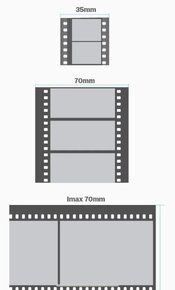
“Atlas Lens Co.’s custom spherical lenses for Dune: Part Three are special because they were hand-crafted to meet the specific demands of IMAX 70mm film capture. They eliminate the vignetting typical of existing large-format lenses and produce unique Arrakis-inspired optical flares.
Their standout engineering features include:
Deep, rare flare? How interesting.
I’m certainly a fan of this series of films, as I am of the books.
Kind regards, everyone.
One reason for the admiration? Many actually value and promote the virtues of vintage photography glass. While many photographers will look at an old lens and criticize its optical and design flaws, many film guys will praise these same flaws and consider them golden, character, mojo, ….
These imperfections often give ambience and depth to modern digital medium, resembling the days of film. Anyhow, without getting long winded, I wanted to post about this, from AI….
“Atlas Lens Co.’s custom spherical lenses for Dune: Part Three are special because they were hand-crafted to meet the specific demands of IMAX 70mm film capture. They eliminate the vignetting typical of existing large-format lenses and produce unique Arrakis-inspired optical flares.
Their standout engineering features include:
- Massive Image Circle: The lenses project an image circle as large as 100mm by 100mm, which is larger than the IMAX format itself. This allows them to maintain pristine edge-to-edge sharpness.
- Custom Flare Coatings: Atlas built custom in-house coating machines and iterated on flare recipes to generate the signature visual aesthetic and deep-red flare characteristics desired by the filmmakers.
- Specialized Telecentric Design: The optical formula was built to provide adequate back-focus distance (the space between the rear glass element and the film plane), which accommodates the unique spinning mirror shutters on IMAX 70mm film cameras.
- No Vignetting: The lenses were custom-designed from the ground up to eliminate the hard vignetting (dark corners) that commonly plague current IMAX lens inventories when stopped down.
- Focal Length Range: Available in specific focal lengths suited for the franchise's cinematic landscape—including 55mm T3.5, 80mm, 105mm, and 150mm—to deliver a completely bespoke look.
Deep, rare flare? How interesting.
I’m certainly a fan of this series of films, as I am of the books.
Kind regards, everyone.