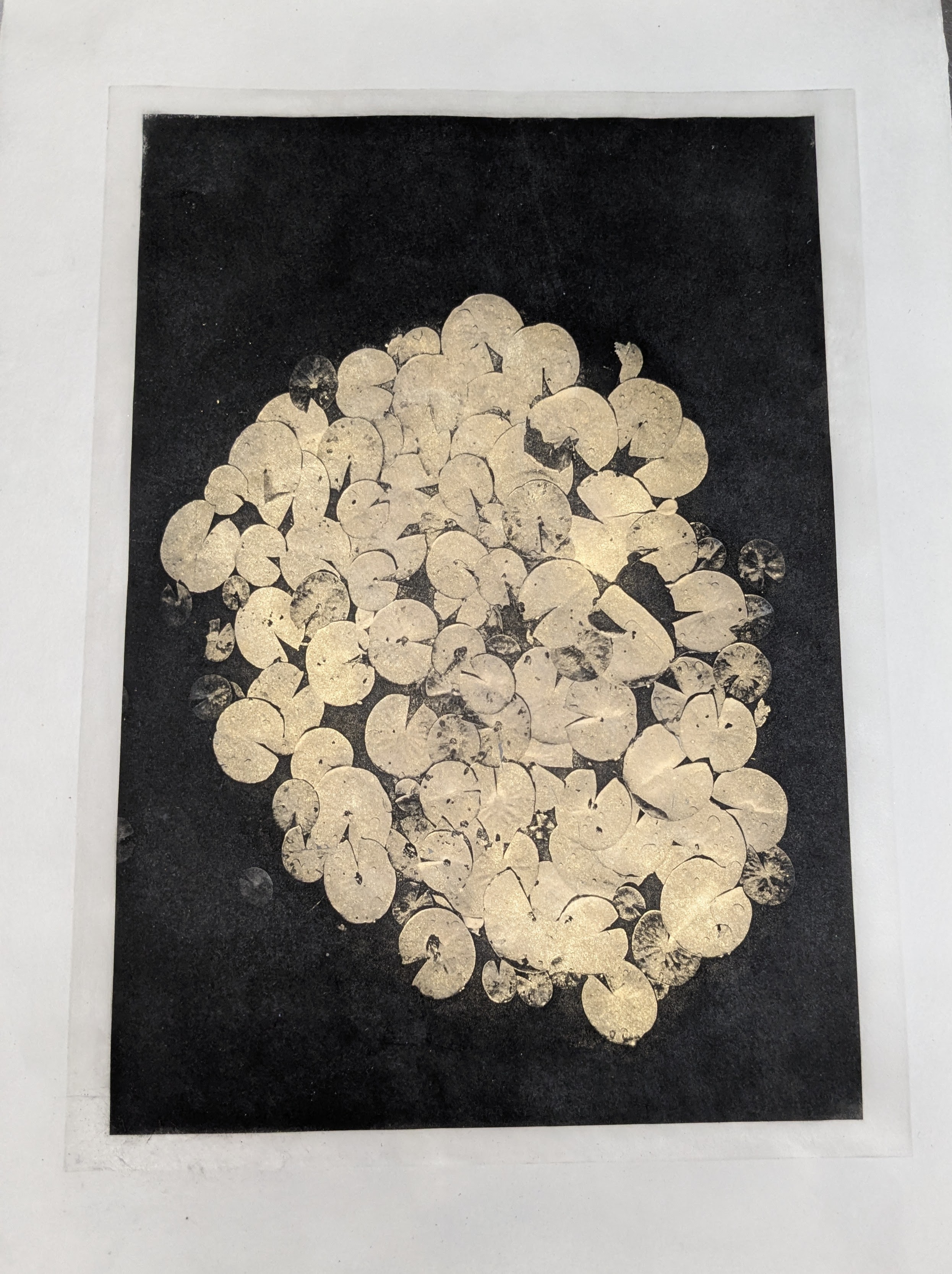
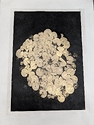
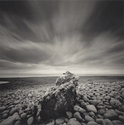
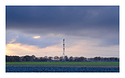
no problem, a photopolymer plate is directly printed with the image using an inkjet printer. The plate is exposed to UV light and them " developed" in a water bath that dissolves the unexposed areas. The resulting plate has "relief" and is then inked, wiped and run through a press with a piece of dampened paper (in this case kozo). The print dries and I then varnished it ( front and back) to make it more translucent. I then applied "faux" gold leafing on the back side)... the leafing approach was developed by a gentleman named Dan Burkholder (https://www.danburkholder.com/#/).
My wife is an artist, she's done quite a bit of everything. She tried to explain this to me. I understand the process more or less. I have a small 8x10 inch letterpress. Some day I would like to get the modern version of a zinc linecut to print postcard backs on photos and the like.
The photo polymer approach seems to be what is used today, mounted on a wood block
Photrio.com contains affiliate links to products. We may receive a commission for purchases made through these links. To read our full affiliate disclosure statement please click Here.