




Andreas Thaler
Subscriber
Motors and winders for electromechanical SLRs are an interesting area for DIY service and repair.
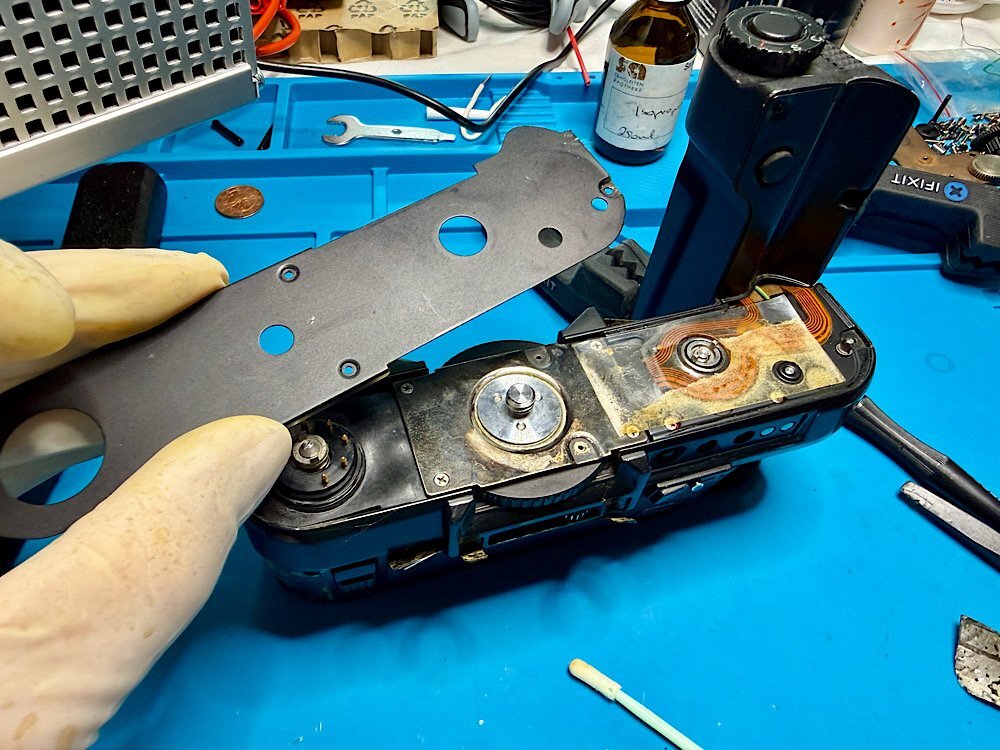
Here, electronics and mechanics come together to form powerful units that, using just a few AA batteries, cock shutters and mirrors, advance film, and—as in the case of this Nikon MD-4—also rewind it.
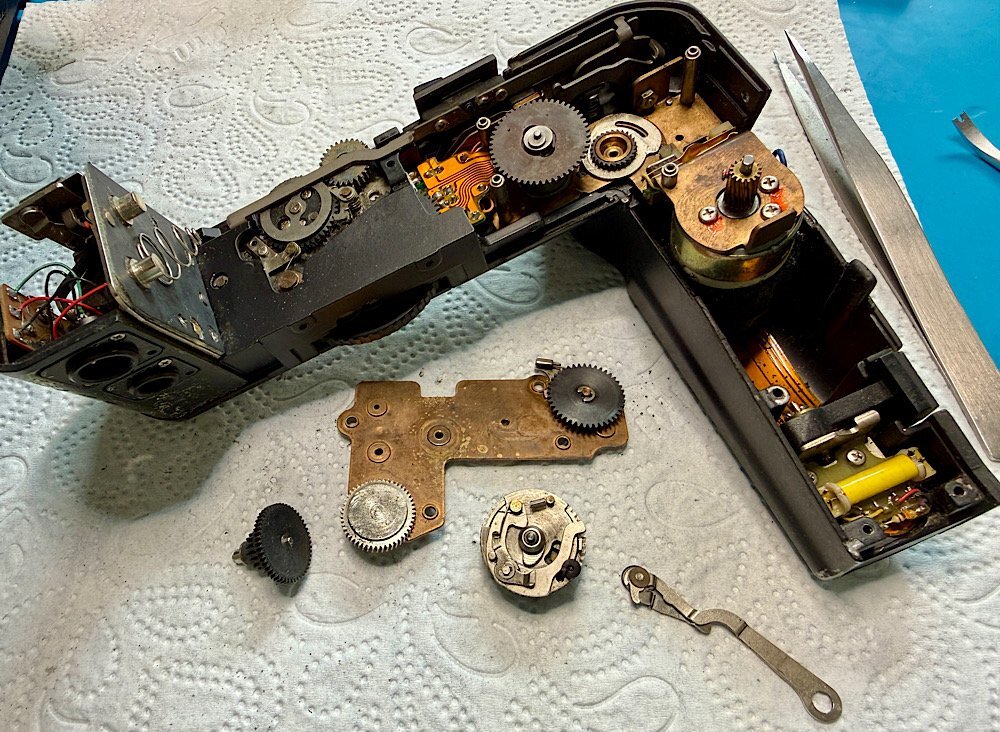
Solid mechanics are built into this unit, which, along with the electronic control system, is cleverly fitted into the limited available space.
Anyone who enjoys working with electromechanics will find this project rewarding.
This MD has seen heavy use
After cleaning its corroded battery contacts, it came back to life, and I was able to perform some electronic measurements following the SPT Journal.
When I then attached the MD-4 to an F3, the motor ran briefly and then began to rattle loudly. At the same time, a part fell out of the housing.
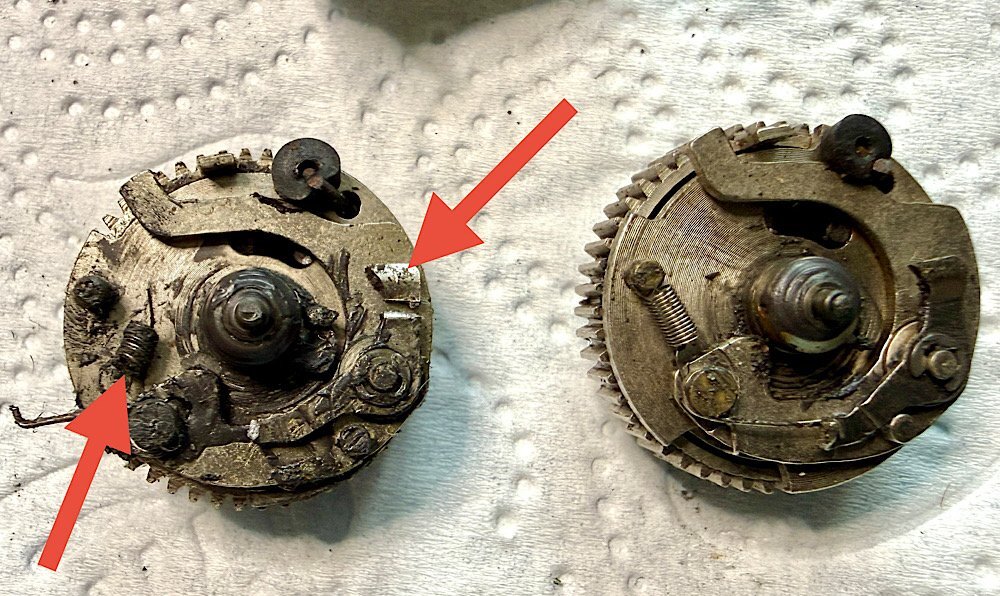
I discovered that a contact responsible for stopping the motor in a sequence was no longer functioning due to contamination. As a result, the connected clutch unit was partially destroyed.
I was able to replace the unit and resolve the issue.
A subsequent partial cleaning and relubrication got the MD-4 back up and running.
The detailed project report is available here, showing work on several MD-4s.
+++
 A word of caution
Please keep in mind that you’ll be using highly flammable solvents for service work, and their fumes are harmful to your health. Soldering also produces fumes that should not be inhaled. Dangerous high voltages can be present when handling electronics, especially in conjunction with electronic flash units and mains. Therefore, familiarize yourself with the safety regulations beforehand and ensure your safety. Depending on the activity, protective gear may be advisable.
All information provided without guarantee and use at your own risk.
Here, electronics and mechanics come together to form powerful units that, using just a few AA batteries, cock shutters and mirrors, advance film, and—as in the case of this Nikon MD-4—also rewind it.
Solid mechanics are built into this unit, which, along with the electronic control system, is cleverly fitted into the limited available space.
Anyone who enjoys working with electromechanics will find this project rewarding.
This MD has seen heavy use
After cleaning its corroded battery contacts, it came back to life, and I was able to perform some electronic measurements following the SPT Journal.
When I then attached the MD-4 to an F3, the motor ran briefly and then began to rattle loudly. At the same time, a part fell out of the housing.
I discovered that a contact responsible for stopping the motor in a sequence was no longer functioning due to contamination. As a result, the connected clutch unit was partially destroyed.
I was able to replace the unit and resolve the issue.
A subsequent partial cleaning and relubrication got the MD-4 back up and running.
The detailed project report is available here, showing work on several MD-4s.
+++
A word of cautionPlease keep in mind that you’ll be using highly flammable solvents for service work, and their fumes are harmful to your health. Soldering also produces fumes that should not be inhaled. Dangerous high voltages can be present when handling electronics, especially in conjunction with electronic flash units and mains. Therefore, familiarize yourself with the safety regulations beforehand and ensure your safety. Depending on the activity, protective gear may be advisable.
All information provided without guarantee and use at your own risk.
Last edited:
