
DraganB
Member
Hi everyone,
I wanted to share a tool I built, which was born out of a very specific, challenging DIY project I’ve been working on.
https://draganito.github.io/lens_sim/
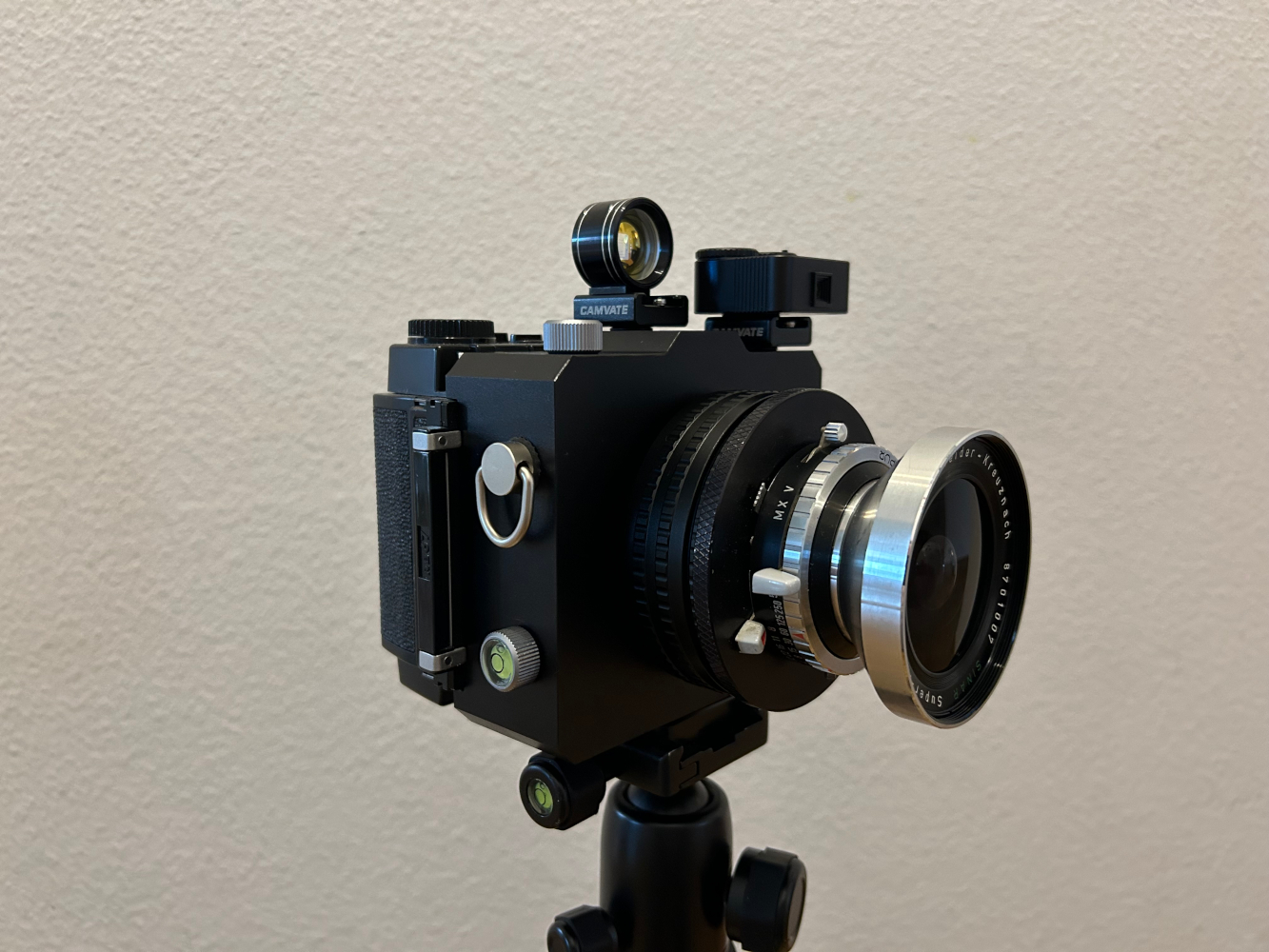
For a while now, I’ve been designing a custom, ultra-compact precision camera body built around Mamiya RB67 film backs, utilizing standard M65 helicoids for focusing. After almost 20 prototypes and countless design iterations, the camera is finally nearing completion!
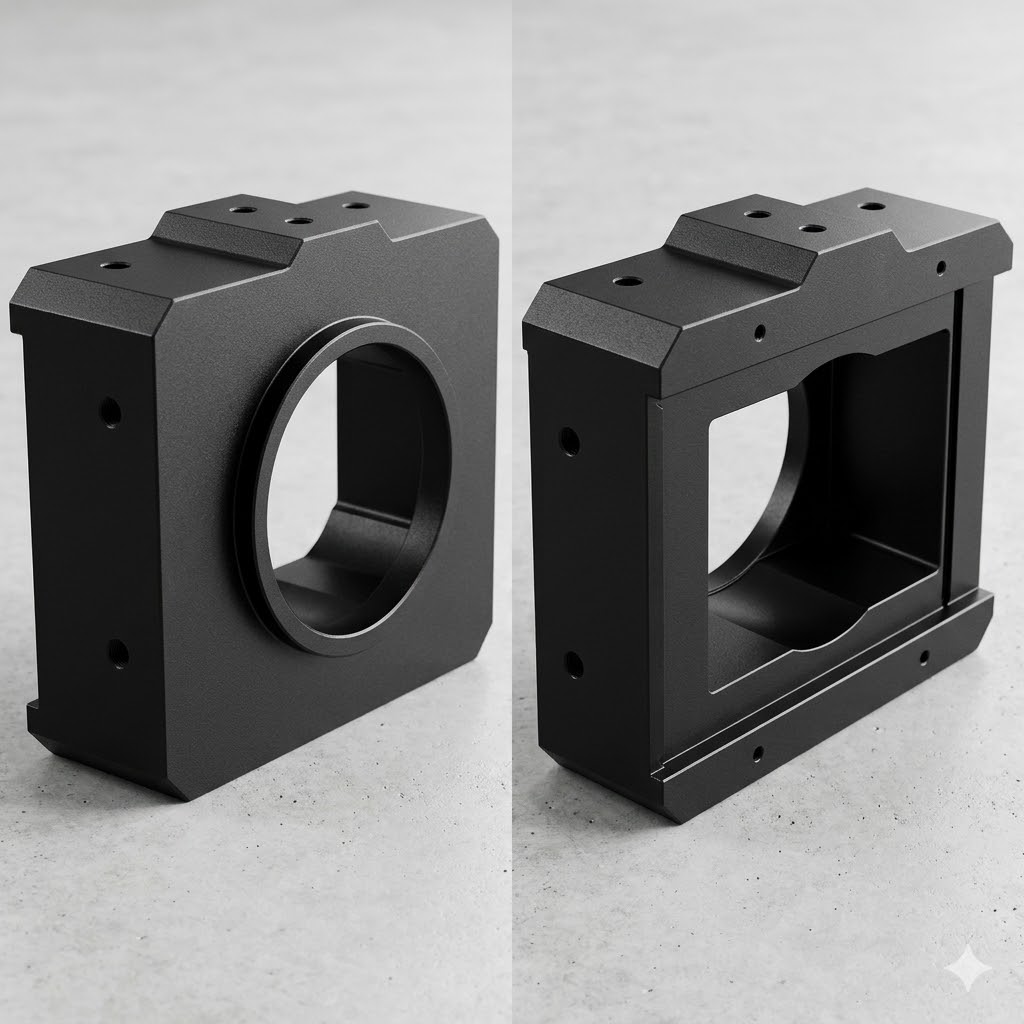
However, one of the biggest headaches during development was dealing with internal clearance and mechanical vignetting. When trying to make a camera body as compact as possible, every millimeter counts, and it's easy for the helicoid or the flange opening to clip the light cone of vintage lenses.
To stop guessing and start calculating, I built a web-based tool: The Frankenstein Camera Simulator.
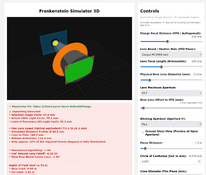
Unlike simple calculators, this tool uses analytical ray-tracing based on marginal rays to separate the actual lens aperture from physical bottlenecks (like my M65 helicoid or the camera's rear flange).
Key Features that helped me solve my build:
I’m sharing the code/file so other camera builders can use it for their own "Frankenstein" setups. I’d love to hear your thoughts, feedback, or see if it helps with your custom builds!
Cheers,
Dragan
I wanted to share a tool I built, which was born out of a very specific, challenging DIY project I’ve been working on.
https://draganito.github.io/lens_sim/
For a while now, I’ve been designing a custom, ultra-compact precision camera body built around Mamiya RB67 film backs, utilizing standard M65 helicoids for focusing. After almost 20 prototypes and countless design iterations, the camera is finally nearing completion!
However, one of the biggest headaches during development was dealing with internal clearance and mechanical vignetting. When trying to make a camera body as compact as possible, every millimeter counts, and it's easy for the helicoid or the flange opening to clip the light cone of vintage lenses.
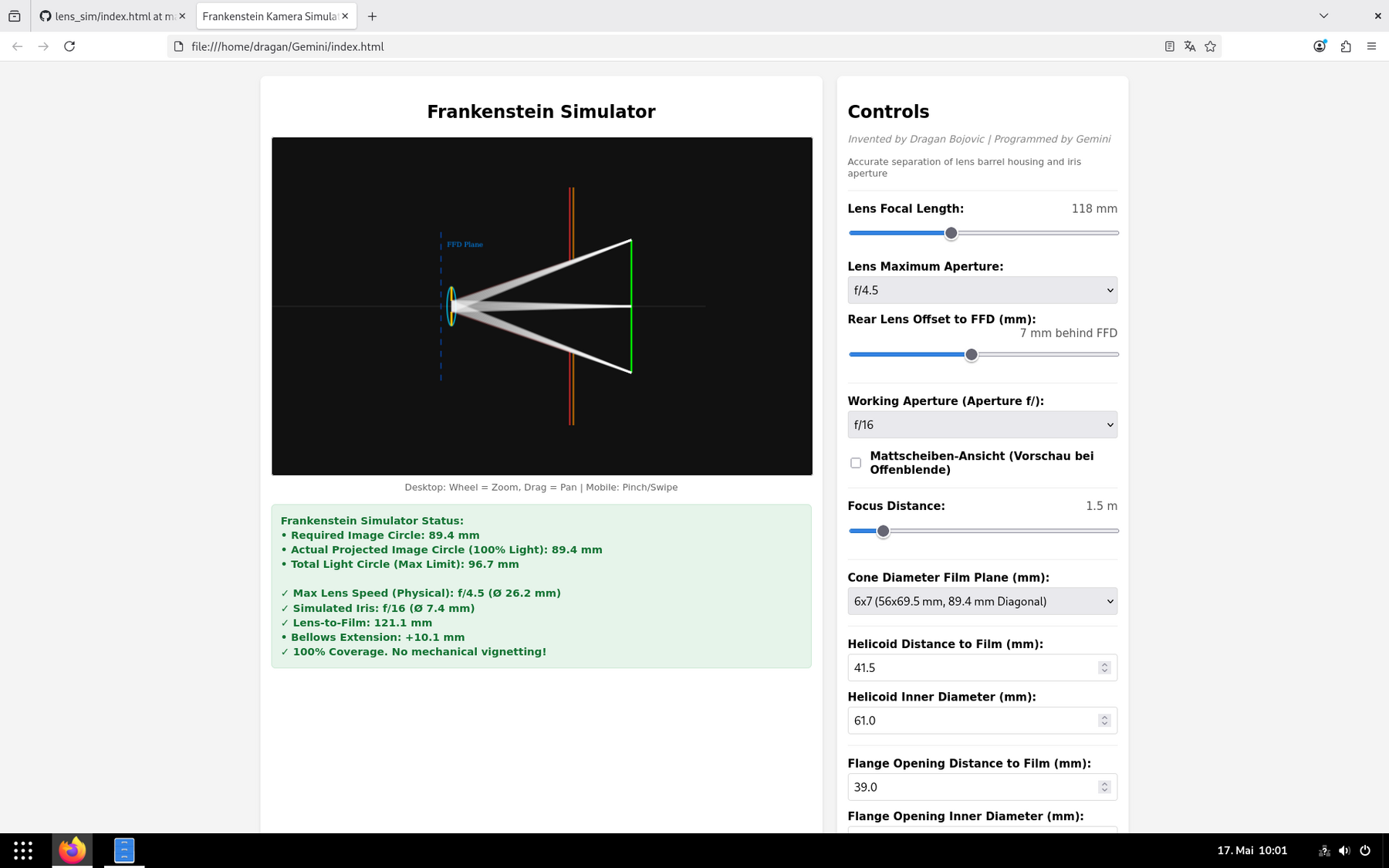
To stop guessing and start calculating, I built a web-based tool: The Frankenstein Camera Simulator.
Unlike simple calculators, this tool uses analytical ray-tracing based on marginal rays to separate the actual lens aperture from physical bottlenecks (like my M65 helicoid or the camera's rear flange).
Key Features that helped me solve my build:
- Real-time Ray Tracing: Visualizes light cones for the center, top, and bottom edges of your selected film format (including 6x7 and 6x9).
- True Image Circle vs. Total Light Circle: It mathematically calculates both the 100% fully illuminated image circle (inner circle) and the absolute total light limit (where hard falloff/shadows begin).
- Bellows/Focus Extension: See exactly how the image circle shifts and shrinks when racking the helicoid back to infinity versus extending it for close focus.
- Ground Glass Preview Mode: Simulates the light cone behavior at maximum open aperture even when stopped down.
I’m sharing the code/file so other camera builders can use it for their own "Frankenstein" setups. I’d love to hear your thoughts, feedback, or see if it helps with your custom builds!
Cheers,
Dragan